
![How Many Blog Posts Are Published Daily? [Latest Stats & Trends]](/img/blog/how-many-blog-posts-are-published-daily-latest-stats-trends.jpg)
How Many Blog Posts Are Published Daily? [Latest Stats & Trends]
The internet is flooded with new content every single day, but have you ever wondered how many blog posts are published daily? Blogging has become one of the most powerful ways to share information, build brands, and drive traffic online. With millions of bloggers and businesses creating fresh content, the numbers are staggering.
We’ll break down the latest blogging statistics, explore how daily blog publishing trends have evolved, and discuss what this means for content creators, marketers, and businesses. Whether you’re a blogger looking to stand out or a journalist searching for reliable data, this guide provides the most up-to-date insights on global blog publishing trends.
Let’s dive into the numbers!
Blogging Statistics by the Numbers
- Approximately 7.5 million blog posts are published every day.
- WordPress.com users generate about 70 million new posts each month, averaging around 2.33 million posts per day.
- Tumblr hosts over 606 million blogs, with users creating approximately 12.8 million posts daily.
- In the United States, over 31 million active bloggers post at least once per month.
- An estimated 6 million blog posts are published every day worldwide.

Why High-Quality Blog Content Matters More Than Ever
With millions of blog posts published daily, simply adding to the noise isn’t enough, you need to create content that stands out, provides value, and ranks well. Gone are the days when posting frequently alone could guarantee traffic. Today, Google’s algorithm prioritizes quality over quantity, making high-value, well-researched content essential for success.
Google Rewards Quality Over Quantity
Google’s ranking factors have evolved to favor in-depth, informative, and engaging content rather than keyword-stuffed or low-value blogs. According to Google’s Helpful Content Update, blogs that genuinely answer user queries and keep readers engaged are more likely to rank higher. That means:
- Long-form, well-researched content often outperforms short, generic posts.
- Expertise, Authoritativeness, and Trustworthiness (E-A-T) are key ranking factors.
- User engagement metrics like time on page, bounce rate, and click-through rate impact rankings.
AI-Generated Content is Everywhere, But Human Insight Wins
With AI tools like ChatGPT and Jasper generating thousands of blogs daily, low-effort content has become more common than ever. While AI can be a useful tool, Google and readers alike still prioritize authentic, insightful, and original content. To stand out:
- Add unique insights, expert opinions, or personal experiences.
- Use credible sources and link to authoritative websites.
- Format your content in an engaging, easy-to-read structure.
High-Quality Blogs Drive More Engagement and Backlinks
A blog isn’t just about ranking on Google, it’s also about earning trust, engagement, and backlinks. Research shows that well-researched, data-driven content is far more likely to be shared and cited by other websites, leading to:
- Higher domain authority (which boosts overall rankings).
- More organic traffic from referral sources.
- Increased brand trust and credibility.
SEO-Optimized Blogs Drive Long-Term Results
When done right, high-quality blogs act as long-term traffic magnets for your website. A well-optimized post can generate consistent leads for months or even years after it’s published. Investing in SEO-driven blogging strategies can set you apart from competitors and establish your brand as an authority.

How to Create Blog Content That Stands Out
To truly stand out, you need to go beyond just writing, you need to craft strategic, high-value content that engages readers and ranks on search engines. Here’s how:
Start with Market & Audience Research
Before you start writing, ask yourself: Who is this blog for? What problem does it solve? Understanding your audience ensures that your content is relevant, engaging, and valuable.
- Use Google’s “People Also Ask” section to see what users are searching for.
- Browse forums like Reddit & Quora to find trending industry questions.
- Analyze competitor blogs to identify gaps in content that you can fill.

Use Keyword Research to Target the Right Topics
If people aren’t searching for your topic, your blog won’t get traffic. That’s why keyword research is crucial. Use tools like:
- Ahrefs – Find high-volume, low-competition keywords.
- Google Keyword Planner – Get free keyword data from Google.
- AnswerThePublic – Discover trending questions in your industry.
- Google Trends – Identify seasonal and emerging topics.
Once you have your keywords, naturally integrate them into your title, headers, and content while maintaining a conversational and engaging tone.
Craft Compelling Headlines & Introductions
Your headline determines whether someone clicks on your blog. Make it:
- Clear & benefit-driven – Tell readers what they’ll learn.
- Emotional or intriguing – Use power words like “proven,” “ultimate,” “surprising”, “exposed”.
- SEO-optimized – Include your main keyword early in the title.
Example: Instead of “Blogging Tips for Beginners,” try “10 Proven Blogging Tips to Boost Traffic in 30 Days“.
Your introduction should hook the reader immediately by addressing a pain point, posing a question, or sharing a compelling statistic.
Format Your Blog for Readability & SEO
People skim content before they commit to reading. Make your blog scannable and engaging:
- Use short paragraphs & bullet points to break up text.
- Add subheadings (H2, H3) to structure the content.
- Include images, infographics, and charts to enhance the reading experience.
- Use internal links to keep readers exploring your site longer.
Create Shareable & Link-Worthy Content
High-quality blogs attract backlinks and social shares, which boost rankings. To encourage this:
- Include original research, case studies, or unique insights.
- Write evergreen content that remains relevant over time.
- Use data & statistics from credible sources to increase authority.
- Make it easy to share by adding social sharing buttons.
The internet is flooded with blogs, but the ones that provide value, solve problems, and engage readers are the ones that win. By following these steps, you’ll create content that stands out, ranks higher, and drives meaningful results.

The Role of Blogging in SEO & Brand Growth
Blogging is one of the most powerful tools for improving SEO, driving traffic, and establishing your brand as an authority. While millions of blog posts are published daily, businesses that use strategic, high-quality content can stand out and attract consistent organic traffic. Here’s why blogging is essential for SEO and brand growth:
Blogging Helps Your Website Rank Higher on Google
Google prioritizes websites that are regularly updated with fresh, relevant content. A well-optimized blog can:
- Target valuable keywords that help your website appear in search results.
- Answer common customer questions, increasing search visibility.
- Boost time on site, which signals to Google that your content is valuable.
- Reduce bounce rate by guiding visitors to other relevant pages on your site.
Each blog post creates a new opportunity to rank for different keywords, helping you reach a wider audience over time.
Blogging Drives Long-Term Organic Traffic
Unlike paid ads, which stop working the moment you turn them off, SEO-optimized blog posts can drive traffic for months or even years. Evergreen content, blog posts that remain relevant over time, continues to attract visitors and generate leads long after publication.
For example, a well-written blog post on “How to Rank on Google” can bring in steady traffic every month as people continue searching for that topic.
Establishes Your Brand as an Authority
Publishing high-quality, insightful blogs positions your brand as a leader in your industry. When people consistently find helpful information on your site, they begin to trust your expertise. This leads to:
- Increased brand credibility and a stronger reputation.
- More returning visitors and repeat customers.
- Higher chances of getting backlinks from other reputable sites.
When other websites link to your content, Google sees your site as more authoritative, improving your rankings even further.
Blogging Helps Generate Leads & Sales
Every blog post is a chance to convert visitors into leads and customers. You can strategically:
- Include calls to action (CTAs) that encourage readers to sign up for your newsletter (you can sign up for ours on the sidebar to the right), download a resource, or contact you.
- Link to product or service pages within relevant blog content.
- Use lead magnets (e.g., free guides, case studies) to capture emails and nurture potential customers.
By providing value-first content, your blog becomes a natural entry point into your sales funnel.
Boosts Social Media & Email Marketing Efforts
Your blog isn’t just for SEO, it also fuels social media and email marketing campaigns.
- Social Media – Share blog posts across LinkedIn, Facebook, Twitter, and other platforms to engage your audience.
- Email Marketing – Use blogs in your newsletter to keep subscribers informed and drive them back to your website.
A single blog post can be repurposed into multiple formats, maximizing its reach across different channels.
The Future of Blogging: What’s Next?
Blogging is constantly evolving, and while it remains a powerful tool for SEO and brand growth, new challenges and trends are shaping its future. With AI-driven search engines, Google’s zero-click results, and changing content consumption habits, the blogging landscape is shifting. Here’s what you need to know to stay ahead.

The Rise of AI-Generated Content: Opportunity or Threat?
With AI tools like ChatGPT, Jasper, and Google Gemini, content creation is easier and faster than ever. While this can be useful for brainstorming, research, and structuring content, it also creates a flood of low-quality, generic blogs that struggle to stand out.
What This Means for Bloggers:
- Original, well-researched content will be more valuable than ever.
- AI-generated posts won’t replace human insights, experience, and storytelling.
- Fact-checking and adding unique value will be critical for ranking in search results.
To stay competitive, bloggers must focus on depth, originality, and demonstrated expertise, things AI can’t replicate.
Google’s Zero-Click Searches: Fewer Website Visits
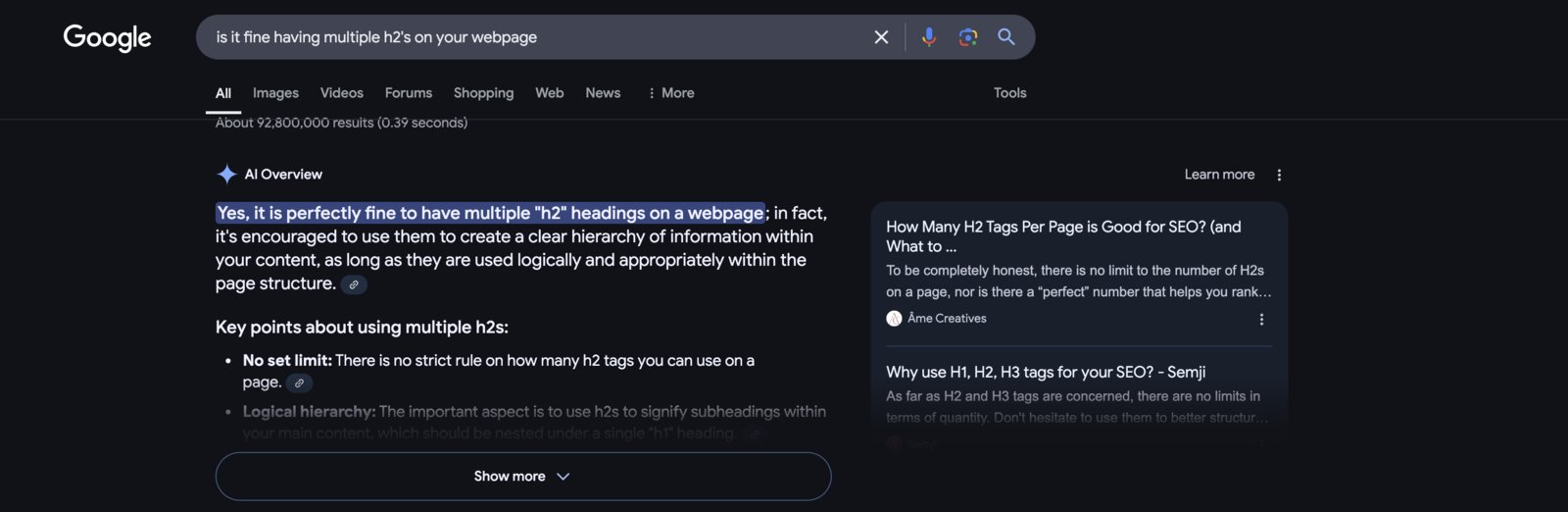
Google’s AI-driven search results are changing the game. Features like Featured Snippets, People Also Ask, and Google’s new AI Overviews provide answers directly in search results, without users ever visiting a website.
The Impact on Blogging:
- More searches end without a click to a website.
- Google is keeping users on their platform rather than sending them to blogs.
- Bloggers must optimize for position zero (featured snippets) to stay relevant.
How to Adapt:
- Format content clearly and concisely so Google selects it for Featured Snippets.
- Use FAQ sections and structured data to increase visibility.
- Provide deeper insights that AI search results can’t fully summarize.
Since Google now competes with bloggers for user attention, content creators must go beyond surface-level information to keep readers engaged.
The Shift to Alternative Search Platforms
As Google search changes, people are looking for alternative ways to find information:
- ChatGPT & AI Assistants – Many users now ask ChatGPT or AI tools instead of searching on Google.
- YouTube & Video Content – Video blogging (vlogging) and explainer videos is rapidly growing, with people preferring to watch rather than read.
- Social Media SEO – Platforms like TikTok, Instagram, and LinkedIn are now being used as search engines.
What This Means:
- Bloggers must expand beyond just traditional Google SEO.
- Consider repurposing blogs into videos, social media posts, and AI-friendly content.
- Focus on interactive content formats (videos, infographics, AI-driven tools).
Personalization & Interactive Content Will Win
Readers expect more than static blog posts, they want personalized, engaging experiences.
- Interactive content (quizzes, calculators, and tools) keeps users engaged.
- AI-driven personalization tailors content to individual readers.
- Community-building (forums, newsletters, and membership sites) keeps people coming back.
Instead of just publishing content, brands need to engage their audience in new ways to build lasting connections.

The Future of Blogging Is Quality, Strategy, and Adaptation
With millions of blog posts published daily, the competition for visibility is fiercer than ever. But while the landscape is changing, with AI-driven search, zero-click results, and evolving content trends, blogging remains a critical tool for SEO, brand authority, and audience engagement.
The key takeaway? Quality beats quantity. Simply publishing blogs isn’t enough, you need to create valuable, well-researched, and engaging content that stands out. By focusing on SEO best practices, keyword research, multimedia integration, and strategic distribution, your blog can continue to attract traffic and drive business growth.
But staying ahead requires constant adaptation. As Google search evolves and AI tools change how users consume content, businesses must explore new formats, alternative search platforms, and interactive content strategies to remain competitive.
Need help crafting high-quality blogs that rank and generate results? Let’s build a content strategy that keeps your business ahead of the curve. Get in touch with NewFrame Digital today.
Resources
Related Articles
 Social & Content
How Many Internal and External Links Should a Blog Post Have
How many internal and external links a blog post needs, where to put them, and the linking mistakes worth avoiding.
Tash · August 17, 2026
![How Many People Use Social Media in 2026? [Latest Stats]](/img/blog/how-many-people-use-social-media.jpg) Social & Content
Social & ContentHow Many People Use Social Media in 2026? [Latest Stats]
Discover the latest 2026 social media stats: total global users, top platforms, ad spend, daily usage, and key age demographics. All updated with real-time data.
Tyler · February 2, 2026
 Social & Content
How To Get Your Blog To The Top Of Google
Learn how to optimize your blog for Google’s first page with proven SEO strategies, keyword research & content techniques to boost rankings.
Tyler · February 11, 2025
Run Your Own Clinic Marketing
Cliniverse gives you the ads, posts, courses, and AI to grow your clinic, with experts on call. You own everything you build.