
How to Create an Email Marketing Campaign That Drives Results
Email marketing remains one of the most powerful tools for connecting with your audience and driving results. Whether you’re looking to generate leads, nurture customer relationships, or increase sales, a well-crafted email marketing campaign can help you achieve your goals. But where do you start? In this guide, we’ll walk you through the step-by-step process of creating an email marketing campaign that not only grabs attention but also delivers real, measurable results. Let’s dive in and turn your email strategy into a powerhouse for growth.
What is Email Marketing?
Email marketing is a digital marketing strategy that involves sending targeted messages directly to a list of subscribers via email. It’s a powerful way to engage with your audience, build relationships, and drive actions such as making purchases, signing up for events, or exploring your offerings.
At its core, email marketing is about delivering valuable, personalized content to your audience’s inbox. It goes beyond just promotional messages, it’s a way to stay connected, nurture trust, and guide your subscribers through the customer journey. When done right, email marketing can be one of the most cost-effective and impactful tools in your marketing arsenal.
The Importance of Email Marketing
Email marketing is one of the most effective and reliable tools in a business’s toolkit. Despite the rise of social media, video marketing, and other strategies, email continues to outperform many other channels in terms of engagement, ROI, and building long-term customer relationships. Here’s why email marketing matters and why it should be a core part of your strategy:
- Direct and Personal Communication
- High Return on Investment (ROI)
- Ownership of Your Audience
- Builds Long-Term Relationships
- Highly Targeted and Segmented
- Measurable and Adaptable
- Complements Other Marketing Channels
Email marketing matters because it’s reliable, measurable, and incredibly effective. It’s not just a communication tool; it’s a way to drive engagement, foster loyalty, and achieve your business goals. Whether you’re looking to generate leads, increase sales, or build brand awareness, email marketing is a strategy you can’t afford to ignore.

Creating a Successful Email Marketing Campaign
Email marketing can be a game-changer when done right, but the key lies in crafting campaigns that are well-structured, engaging, and targeted. A successful email marketing campaign involves more than just sending out a few messages, it requires a strategic approach from start to finish. Below, we’ll explore how to set yourself up for success and create campaigns that deliver real results.
Define Your Objectives
The foundation of any successful email marketing campaign starts with defining your objective. Without a clear goal, it’s impossible to measure success or refine your strategy effectively. Take the time to ask yourself: What does success look like for this campaign?
Your goal could be any of the following or something completely different:
- Increase Sales: Are you launching a new product or promoting a special offer to drive revenue?
- Upsell Existing Customers: Do you want to encourage your current customers to purchase complementary products or services?
- Boost Website Traffic: Are you aiming to direct more visitors to your site for content, product pages, or lead magnets?
- Encourage Engagement: Is your focus on prompting responses, such as email replies, survey completions, or event registrations?
By clearly identifying your target outcome, you’ll have a roadmap for your campaign. This allows you to tailor your email content, design, and calls-to-action to achieve your goal. For example, if your objective is to drive traffic, you might prioritize including compelling links throughout your email. If it’s to increase sales, a strong offer and a prominent CTA will be key.
Remember: a well-defined objective is the guiding star for a successful email marketing campaign. Without it, you risk wasting effort on a strategy that doesn’t deliver results.

Know Your Audience
Understanding your audience is the cornerstone of a successful email marketing campaign. The more you know about who you’re talking to, the better you can craft messages that resonate, engage, and drive action. A one-size-fits-all approach simply doesn’t work in today’s personalized digital landscape.

Start with Audience Research
Dive into your data to learn as much as possible about your audience. Who are they? What are their needs, preferences, and pain points? Use tools like surveys, customer profiles, and analytics to uncover insights about their demographics, interests, and behaviors.
Segment Your Email List
Segmentation is key to delivering relevant content to the right people. Group your subscribers based on factors like:
- Demographics: Age, location, gender, or occupation.
- Behavior: Past purchases, website activity, or email engagement.
- Preferences: Topics they’ve expressed interest in or products they’ve browsed.
By creating targeted segments, you can send emails that speak directly to each group, increasing the likelihood of engagement.
Speak Their Language
Once you’ve identified your audience segments, tailor your messaging to match their tone, interests, and preferences. Effective communication isn’t about impressing your audience with complex language, it’s about connecting with them in a way they understand and relate to.
Did you know the average person reads at a 7th-8th grade level? Writing at this readability level ensures your message is accessible to the majority of your audience. Using overly complicated words or industry jargon may alienate half your readers, as they might struggle to understand what you’re saying. Instead of building trust, you risk losing their interest entirely.
For example:
- Instead of saying, “Our innovative solution synergistically optimizes workflows,” try, “Our solution makes your work faster and easier.”
- Keep your sentences concise and focus on clarity rather than complexity.
By speaking clearly and at a level your audience feels comfortable with, you’ll foster trust and engagement while ensuring your message reaches as many people as possible. Remember, simplicity doesn’t diminish professionalism, it enhances connection.
Address Their Pain Points
Show your audience that you understand their challenges and can offer solutions. For instance, if you’re emailing a segment of busy professionals, highlight how your product saves time or simplifies their workflow.

Craft Compelling Content
To create engaging email content, start with an irresistible subject line. It doesn’t matter what you wrote in your email if they don’t even open it. Keep it clear, concise, and attention-grabbing, ideally between 6-10 words. Use curiosity, personalization, or urgency to entice readers to open, such as “John, Here’s Your Exclusive Offer” or “Boost Your Sales with This Simple Trick.” Complement the subject line with a strong preview text, this snippet provides context and adds another reason for recipients to open. For example, if your subject line reads “Upgrade Your Marketing Today,” the preview text might say, “Discover tools to double your traffic effortlessly.”
Once the email is opened, the body content must immediately deliver value. Start with a compelling opening sentence that ties back to the subject line. Keep the message concise, using short paragraphs or bullet points for readability, and focus on how your offer benefits the reader. Enhance engagement with visuals like images or videos, but avoid overloading the email to maintain fast load times.
End with a strong, clear call-to-action (CTA). Use actionable language like “Download Now” or “Shop the Sale” and make it stand out with a bold button or link. Avoid overwhelming readers by sticking to one primary CTA. Lastly, ensure your email is mobile-friendly with a single-column layout and larger fonts to make it easy to read on any device.

Focus on Design and Usability
The design and usability of your email are just as important as the content. A visually appealing and easy-to-navigate email enhances engagement and ensures your audience takes the desired action. Here’s how to get it right:
- Make It Mobile-Friendly: Use a single-column layout and ensure links and buttons are easy to tap, optimizing the email for mobile devices.
- Stay Consistent with Your Brand: Reflect your brand’s colors, fonts, and logo to maintain trust and recognition.
- Prioritize Readability: Keep the layout clean, use legible font sizes, and break up content into scannable sections.
- Use Engaging Visuals: Add optimized images or icons to enhance the message without slowing load times.
- Design Clear CTAs: Highlight the call-to-action with bold buttons and actionable text like “Shop Now” or “Learn More.”
- Include a Clear Hierarchy: Organize content logically with headings and bullet points to guide readers.
- Test Before Sending: Preview your email on multiple devices and email yourself to ensure proper formatting and functionality.

Personalize and Automate Your Email Campaigns
Personalization and automation are powerful tools that can take your email marketing campaign to the next level. By making your emails feel tailored to each recipient and leveraging automation to save time and increase efficiency, you can create more engaging and effective campaigns. Here’s how:
- Add Personalization Tags: Include personalization tags, such as the recipient’s first name, in your emails to make them feel more personal and relevant.
- Segment Your Audience: Go beyond general emails by creating audience segments based on behaviors, interests, or demographics. For example, separate your audience into groups such as new subscribers, repeat customers, or inactive users, and tailor your messages accordingly.
- Automate Responses to Specific Actions: Set up automations to send targeted emails based on user interactions. For instance: If someone clicks on a link to a product, follow up with an email showcasing related products or offering a discount.
- If a subscriber downloads a resource, send a thank-you email with additional content to nurture the relationship.
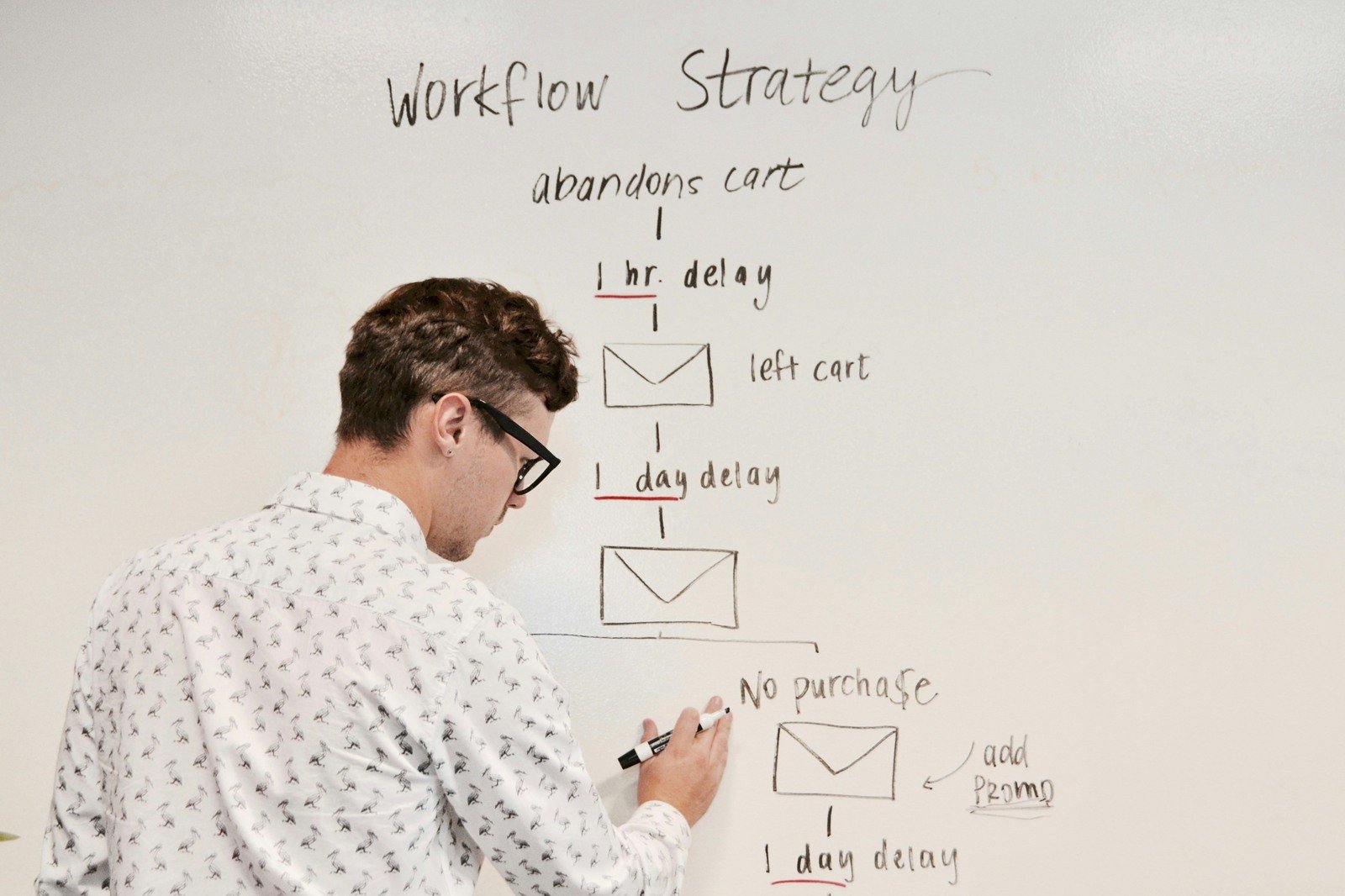
- **Use Time Delays and Triggers:**Design a campaign with automated time delays and triggers to guide users through the customer journey. For example: Welcome Series: Automatically send a series of emails over several days to introduce your brand to new subscribers.
- Abandoned Cart: Trigger an email to remind users of items left in their cart, complete with urgency or incentives to complete the purchase.
- Post-Purchase Follow-Up: Send a thank-you email after a purchase and suggest complementary products or ask for a review.
- Create Drip Campaigns: Drip campaigns are automated sequences of emails sent over time based on specific triggers, such as signing up for a newsletter or downloading a resource. These campaigns help nurture leads and keep your audience engaged without requiring manual effort, especially when they run on a platform with prebuilt automations instead of being wired up by hand.
- Track and Optimize: Use analytics to monitor the performance of your automations. Track open rates, click-through rates, and conversions to identify what works and make adjustments to improve results.
Test and Refine
Even the most well-crafted email campaigns can benefit from continuous improvement. By testing, analyzing, and optimizing your emails, you can uncover valuable insights and make data-driven decisions to enhance performance. Here’s how to ensure your email marketing campaign stays effective over time:
- Run A/B Tests: A/B testing is essential for discovering what works best for your audience. Test one variable at a time to measure its impact, such as: Subject lines: “Exclusive Offer Inside” vs. “John, Your Exclusive Offer Awaits”
- Email design: Comparing layouts, colors, or button placements.
- CTAs: “Shop Now” vs. “Learn More.” Track the performance of each version and apply the winning element to future campaigns.
- Monitor Analytics: Dive into your email metrics to identify what’s working and where improvements are needed: Open Rates: Are your subject lines and preview text enticing enough?
- Click-Through Rates (CTR): Which links and CTAs are most effective?
- Bounce Rates: Are your emails reaching valid addresses?
- Unsubscribes: Are certain types of content turning readers away? Use this data to refine your strategy and focus on what resonates most with your audience.
- Identify Drop-Off Points: Analyze where people disengage with your emails. Are they clicking but not converting? Are they reading only the first few lines? By identifying these drop-off points, you can adjust your content, design, or CTA to keep readers engaged.
- Optimize Timing and Frequency: Test different days and times to see when your audience is most likely to open and engage with your emails. Experiment with the frequency of your campaigns to avoid overwhelming or under-communicating with your subscribers.
- Learn from Trends: Review historical data and industry trends to predict what might work better in future campaigns. For instance, if video content or certain topics perform well, incorporate them more frequently.
- Continuously Improve: Email marketing is not a set-it-and-forget-it strategy. Regularly revisit your campaigns to test new ideas, implement feedback, and adapt to changes in audience behavior or industry standards.

Ready to Transform Your Email Marketing?
Email marketing remains one of the most effective tools to engage your audience, build strong customer relationships, and drive measurable results. By following these steps, defining your objectives, understanding your audience, crafting compelling content, focusing on design, leveraging personalization and automation, and continuously testing and refining, you can create campaigns that truly resonate and deliver value.
If you’re ready to elevate your email marketing strategy and see results, let’s talk! Reach out to us today to schedule a consultation and discover if we’re the right fit to help your business grow. Together, we’ll craft email campaigns that connect, convert, and set you apart.
Related Articles
![How Many Blog Posts Are Published Daily? [Latest Stats & Trends]](/img/blog/how-many-blog-posts-are-published-daily-latest-stats-trends.jpg) Social & Content
Social & ContentHow Many Blog Posts Are Published Daily? [Latest Stats & Trends]
How many blog posts get published every day? See the latest 2026 stats on global blogging volume and what it means for content marketing.
Tyler · February 18, 2025
 Social & Content
How To Get Your Blog To The Top Of Google
Learn how to optimize your blog for Google’s first page with proven SEO strategies, keyword research & content techniques to boost rankings.
Tyler · February 11, 2025
 Social & Content
The 6 Best Marketing Podcasts to Level Your Knowledge Up
In this ever changing market, it can be tough keeping up and adapting your marketing efforts. Here is a list of the best marketing podcasts to listen.
Tyler · July 20, 2023
Run Your Own Clinic Marketing
Cliniverse gives you the ads, posts, courses, and AI to grow your clinic, with experts on call. You own everything you build.