

Short-Form Video Marketing for Clinics: How to Get More Attention Without Ads
Short-form video has become the highest-leverage marketing channel for clinics because it aligns with how people consume information now. Patients aren’t reading long posts before they choose who to trust; they’re scrolling, watching, and forming opinions in seconds. Clinics that show up consistently in those moments earn attention before someone is even actively looking to book.
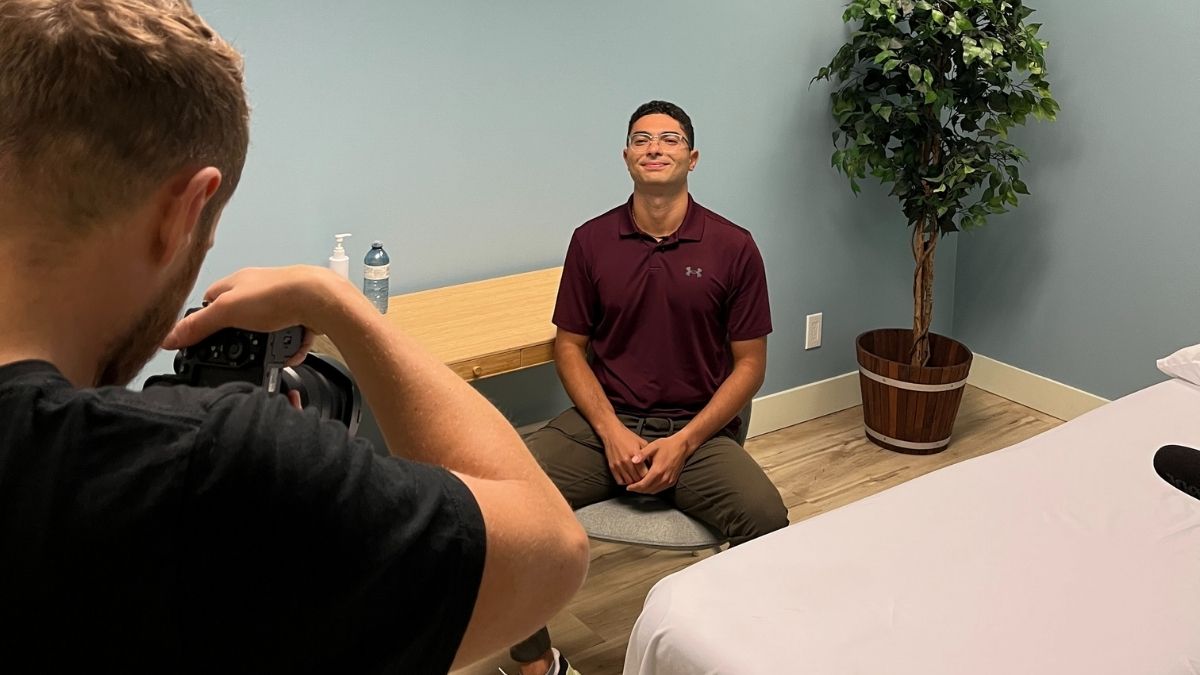
Platforms like TikTok, Instagram, and YouTube Shorts are no longer just entertainment apps. They are discovery engines. People learn about injuries, recovery, posture, pain relief, and providers through short videos every day. When a clinic shows up explaining something clearly, calmly, and confidently, it creates familiarity. Familiarity lowers resistance. By the time someone searches your name or clicks your profile, trust is already forming.
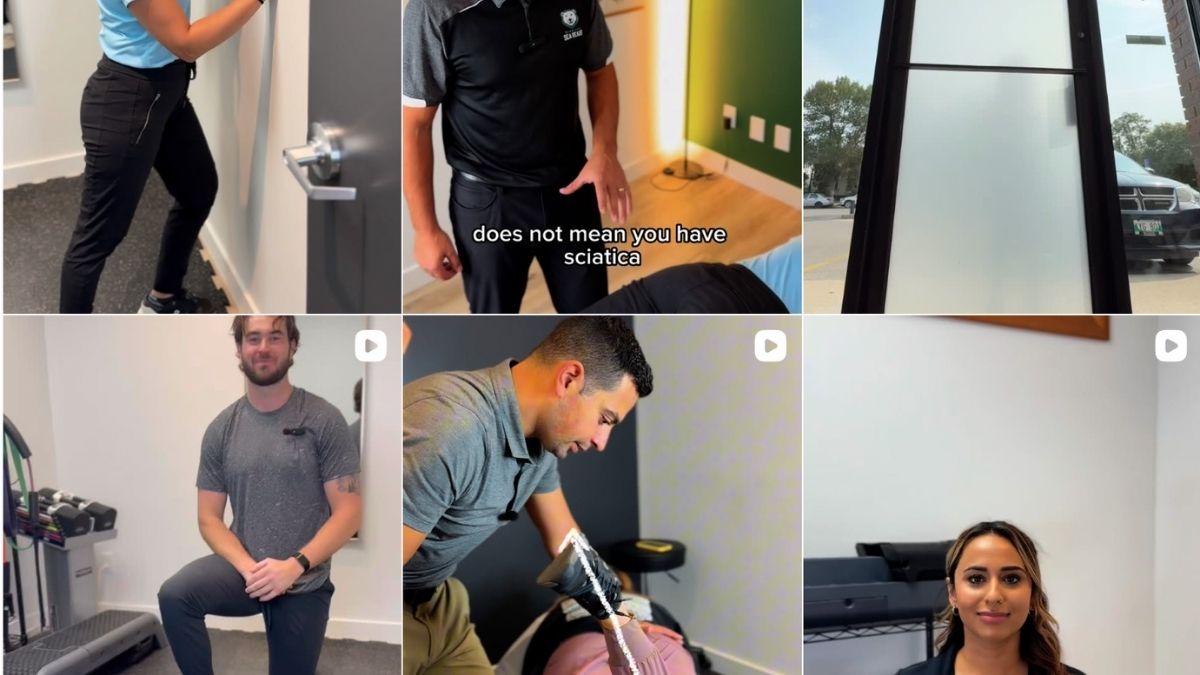
Most clinics do not have a marketing problem. They have an attention problem. Better tools will not fix that, and more complicated strategies will not fix that either. The clinics that win are the ones that show up where attention already lives and do it consistently. Short-form video is not about being viral or polished. It is about being present, useful, and easy to understand. When clinics focus on that, everything else in their marketing works better.
What Is Short-Form Video Marketing
Short-form video marketing is the use of short, vertical videos, typically 15 to 60 seconds, to share one clear idea at a time on platforms like TikTok, Instagram Reels, and YouTube Shorts. It is not about production quality or trends. It is about clarity, relevance, and speed.
For clinics, this format works because people are not looking for long explanations when they scroll. They are looking for quick answers, simple insights, and signals of expertise. A single video that explains one common pain issue, one exercise mistake, or one thing to expect during a first visit does more than a long post that tries to cover everything.
Short-form video forces focus: one message per video, one problem, one takeaway. That discipline is what makes it effective. When a clinic shows up consistently explaining things clearly and confidently, it builds familiarity. Familiarity turns into trust. Trust turns into action later.
This type of content is also designed for discovery. These platforms push short videos to people who do not follow you yet, which means your clinic can reach new local audiences without relying on ads. Short-form video is not about convincing someone to book immediately. It is about becoming the clinic they recognize and remember when the time comes.
Why Short-Form Video Works So Well for Clinics
Short-form video works because it aligns with how people decide who to trust. Most people are not actively looking to book when they first encounter a clinic online. They are noticing a problem and consuming information. Short-form video meets people at that stage.
It builds trust before intent
When clinics consistently explain common issues in plain language, they position themselves as helpful and credible without asking for anything. That trust forms before someone is ready to take action, which lowers resistance later.
Familiarity drives choice
Seeing the same clinic show up multiple times creates recognition. Recognition creates comfort. By the time someone searches for a provider, the decision feels easier because the clinic already feels familiar.
It removes friction for clinics
Short-form video does not require long scripts or heavy editing. One idea, one message, one take is enough. This makes consistency achievable, and consistency is what drives results.
Platforms reward usefulness
Clinics that focus on educating and clarifying get more reach than clinics trying to sell. Short-form video works because it earns attention first, which improves every other marketing channel.

The Psychology Behind Short-Form Content
Short-form content works because it aligns with how the brain processes information. People are overwhelmed with options, messages, and decisions every day. Content that feels heavy or demanding gets skipped. Content that feels simple and immediately useful gets attention.
Short videos lower the mental barrier to engagement. There is no commitment required to watch a 20 or 30 second clip. That small time investment makes people more willing to start watching. Once they do, the brain looks for a quick payoff. A clear insight, a helpful explanation, or a moment of recognition keeps them engaged.
Repetition also plays a major role. Seeing similar messages from the same clinic over time creates familiarity, and familiarity builds comfort, which builds trust. This is why clinics don’t need viral videos to see results. They need consistent, recognizable messaging that reinforces expertise again and again.
Short-form content also taps into pattern recognition. When a clinic regularly addresses common problems people already experience, the viewer feels understood. That feeling matters. People are more likely to trust and choose a provider who clearly understands their situation without overexplaining or overpromising.
The psychology is simple: reduce effort, deliver value quickly, and show up consistently. Short-form video does all three, which is why it works so well for clinics.

The Purpose of Short-Form Video for Clinics
The purpose of short-form video is not to sell treatments. It is to earn attention and build familiarity long before someone is ready to book. Clinics that treat short-form video like an ad channel usually get frustrated. Clinics that treat it like an education and visibility channel see results.
Short-form video helps clinics stay top of mind. When someone sees your content consistently, even casually, your clinic becomes familiar. When a problem becomes serious enough to take action, people choose what they recognize. That recognition is often the deciding factor.
This content also allows clinics to demonstrate expertise without making claims or promises. Explaining common issues, clarifying misconceptions, or sharing simple preventative advice positions the clinic as knowledgeable and trustworthy while staying compliant. You are not convincing. You are demonstrating.
Another purpose is filtering. Short-form video attracts the right people by speaking directly to the problems you treat and the approach you take. When someone resonates with how you explain things, they are more likely to be a good fit when they eventually reach out.
At its core, short-form video creates momentum. It feeds social platforms, supports search behaviour, and strengthens every other marketing channel. It is not a standalone tactic. It is the foundation that makes the rest of your clinic's marketing work better.
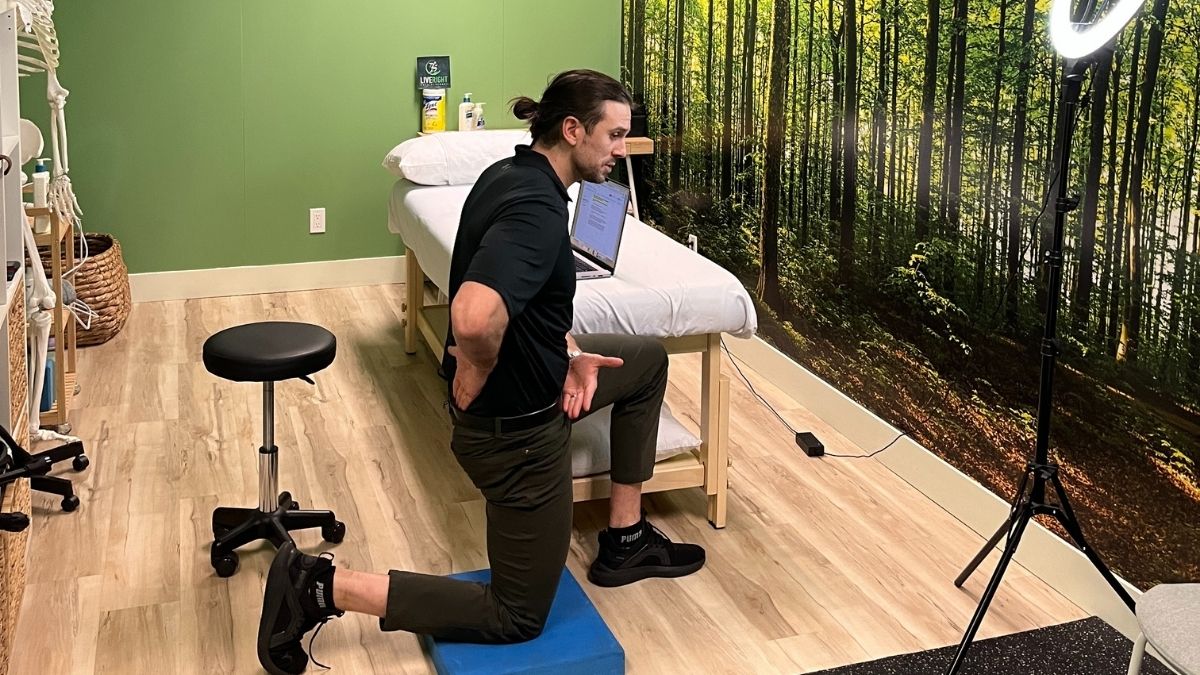
What Clinics Should Post Using Short-Form Video
The best short-form content for clinics is simple, educational, and repeatable. The goal is to help people understand their bodies better, not to convince them to book.
Educational content
Explain common causes of pain, demonstrate basic movements, or clarify why issues return. These videos answer questions people already have and position the clinic as knowledgeable without making claims.
Behind-the-scenes content
Showing the clinic space, introducing practitioners, or sharing a day in the clinic builds familiarity. Familiarity makes reaching out feel easier.
Question-based videos
Answer common questions like what to expect on a first visit or how recovery typically works. Reducing uncertainty increases trust.
Everyday insights
Share common mistakes, myths, or habits you see often. These videos feel conversational and relatable, which is why platforms distribute them more widely.
The rule stays simple: one video, one idea. If it helps someone understand something more clearly in under a minute, it’s worth posting.
Short-Form Video Content Ideas for Physio, Chiro, Osteo, and RMT
Short-form video works best when it reflects what practitioners already explain every day. The strongest content ideas come from real conversations, common questions, and patterns you see in your clinic. Below are compliant, repeatable video ideas that work across physiotherapy, chiropractic, osteopathy, and massage therapy.
Educational Video Ideas
- Common causes of lower back pain and why it keeps coming back
- One posture mistake you see daily and how to fix it
- Why stretching alone is not fixing your pain
- What pain during movement means
- The difference between soreness and injury
- Why rest is not always the best solution
- How long recovery realistically takes for common injuries
“We See This All the Time” Videos
- The biggest mistake people make before booking care
- Why people wait too long to get help
- One thing patients are always surprised by in treatment
- The most misunderstood part of recovery
- Why quick fixes usually fail long term
Movement and Demonstration Videos
- Simple mobility checks people can try at home
- One safe movement most people avoid but should not
- A basic warm-up you recommend often
- How to modify everyday movements to reduce strain
- What proper form looks like for common exercises
Behind-the-Scenes and Trust-Building Content
- A walk-through of the clinic space
- How a typical day in the clinic looks
- How practitioners approach assessments
- Introducing team members and their specialties
- What happens during a first visit, step by step
Question-Based Videos
- Do I need a referral to book an appointment?
- How many sessions do most people need?
- Is pain during treatment normal?
- Can I work out while recovering?
- When should someone seek professional care?
Myth-Busting Videos
- “Pain means damage” explained
- Why imaging does not always equal pain
- Stretching myths people still believe
- Why cracking or popping is not the goal
- The truth about posture and pain
Short-Form Video Ideas That Build Personality and Reach
- This or that (coffee or tea, mornings or nights, beach or mountains)
- Quick rapid-fire questions with one-word answers
- What your friends would say you’re bad at
- One unpopular opinion you have
- Your most used emoji
- Something small that instantly improves your day
- A habit you’re trying to break
- A routine you swear by
- One thing you’ll always say yes to
- Your current favourite song, show, or podcast
- Something that recently surprised you
- A behind-the-scenes moment that has nothing to do with work
- A quick check-in or thought you had that day
- Something you’re learning right now

How to Make Short-Form Videos
Short-form video works when the process is simple enough to repeat. If it feels heavy, it will not last. This approach keeps it realistic alongside a full clinic schedule.
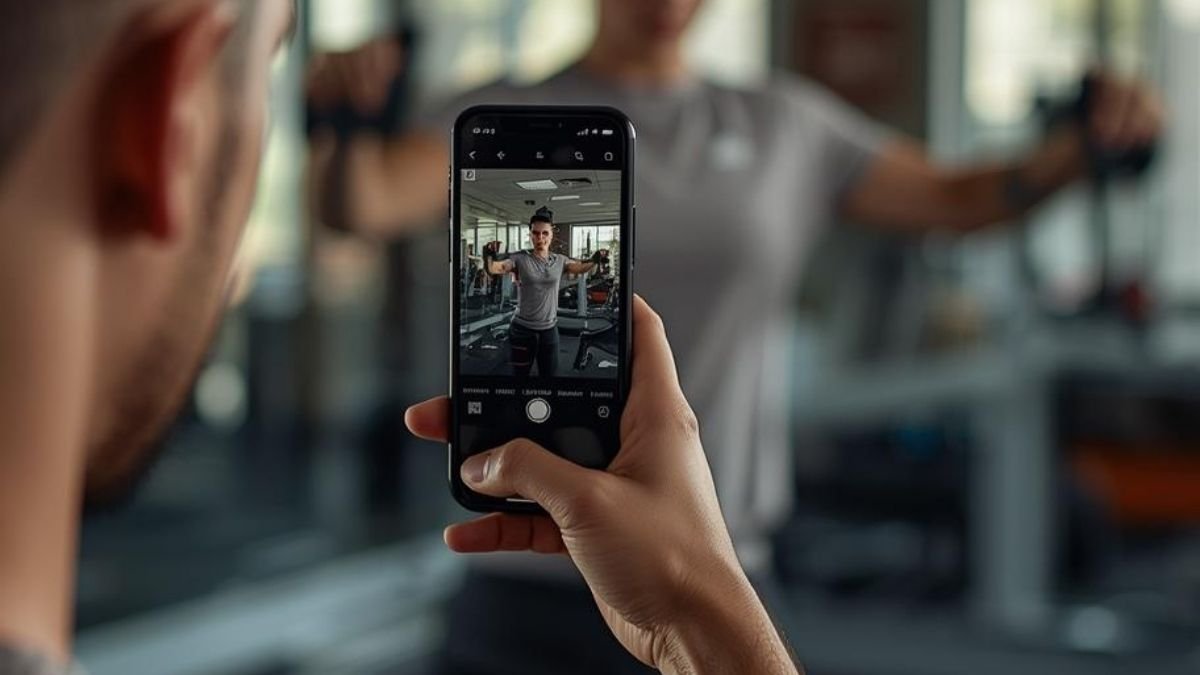
Film vertically on your phone
Your phone is enough. Vertical video is the format these platforms are built for. Record in a familiar space like a treatment room or gym area. Natural light is fine. The goal is clarity, not production.
One idea per video
Every video should answer one question or explain one concept. Trying to cover too much lowers retention and makes recording harder. One problem, one takeaway, and stop when the point is made.
Speak to one specific problem
Do not talk broadly. Talk directly. Pick one issue people regularly ask about and explain it the same way you would in the clinic. Clear, calm, and conversational always outperforms rehearsed delivery.
Add captions
Many people watch without sound. Captions keep attention longer and make the content easier to understand. Keep them simple and focused on the main point, not every word.
Keep it repeatable
If the process feels hard, simplify it further. Short-form video works because it can be done consistently. Imperfect videos posted regularly will outperform polished videos posted occasionally.
When in doubt, use this filter. If this explanation would help someone during an appointment, it is worth recording.

Short-Form Video Strategy That Works for Clinics
Short-form video works best when clinics stop chasing trends and start following a simple system. Strategy matters, but it does not need to be complicated. The goal is steady visibility, not viral hits.
Volume matters more than virality
Clinics do not need a breakout video. They need repeated exposure. Posting consistently gives the algorithm more chances to learn who to show your content to. It also gives people more chances to recognize your clinic. One helpful video posted regularly beats one great video posted once.
Repeat what works
When a topic performs well, repeat it from different angles. If a video explaining a common pain point gets engagement, create more content around that theme. Consistency in messaging builds authority faster than constantly switching topics.
Post across platforms
The same short video can be shared across TikTok, Instagram Reels, and YouTube Shorts at once. Each platform may perform differently, but the effort stays the same. This increases reach without increasing workload.
Think top of funnel, not transactions
Short-form video is about attention and familiarity. It supports search, ads, and referrals by making your clinic recognizable. When people see your name later, it already feels familiar. That familiarity is what drives action.
The 3-3-3 Rule
Most clinics quit too early because they expect results too fast. The 3-3-3 rule exists to prevent that.
- Choose three core content themes your clinic already talks about every week. Common pain issues, recovery education, and everyday clinic insights work well.
- Post three short-form videos per week: enough volume to build momentum without overwhelming your schedule.
- Commit to three months before judging results. Short-form video compounds, and familiarity takes time. Clinics burn out when they quit after a few weeks instead of letting repetition do its job.
This rule keeps expectations realistic and makes consistency possible.
The 70-20-10 Content Split
Not all content should do the same job. The 70-20-10 rule keeps clinics compliant, trusted, and effective.
- 70 percent educational: This is the foundation. Explaining problems, clarifying misconceptions, and sharing useful knowledge builds trust and authority.
- 20 percent engagement and culture: Behind-the-scenes moments, practitioner introductions, and day-to-day clinic life build familiarity and connection.
- 10 percent promotional: Occasional reminders about services or availability are fine, but they should never dominate the feed.
This balance prevents content from feeling sales-heavy while still supporting growth.
A good strategy keeps things simple: show up often, teach what you already know, and let repetition do the heavy lifting.

Common Mistakes Clinics Make with Short-Form Video
Most clinics struggle with short-form video not because it doesn’t work, but because they approach it the wrong way. These mistakes slow momentum and make the process feel harder than it needs to be.
Waiting until everything feels perfect
Perfection delays progress. Clinics wait for better lighting, better scripts, or more confidence and end up not posting at all. Short-form video rewards action, not polish. The clinics that improve fastest are the ones that start before they feel ready.
Trying to sell too early
Short-form video is not the place for hard selling. When clinics push booking messages too quickly, engagement drops. The purpose is visibility and trust first. Selling comes later, after familiarity is built.
Posting inconsistently
Posting once every few weeks does not create momentum. Platforms reward consistency, and audiences need repetition to remember you. Clinics that post regularly see far better results than clinics that post sporadically, even if the content is similar.
Overthinking trends
Trends come and go quickly, and clinics that chase every trend lose focus. Educational, problem-based content outperforms trends over time because it stays relevant and builds authority.
Giving up too soon
Short-form video compounds. Results build over weeks and months, not days. Clinics that quit early miss the payoff. Consistency over time is what makes this channel work.
Avoiding these mistakes keeps short-form video simple, sustainable, and effective.

How Short-Form Video Fits Into a Bigger Marketing System
Short-form video does not work in isolation. Its value shows up when it supports everything else a clinic is doing.
It strengthens every other channel
When people see your clinic consistently on social platforms, they are more likely to recognize your name when they search on Google, see an ad, or hear a referral. Familiarity improves click-through rates, response rates, and trust across the board.
Short-form video warms people up. It makes search, ads, email, and referrals work better because people already know who you are.
It creates a steady flow of attention
Most marketing struggles come from inconsistent attention. Short-form video solves that by keeping your clinic visible even when people are not actively looking to book. That steady presence is what creates momentum over time.
This is why clinics that commit to short-form video often notice improvements in other areas without changing anything else. Attention compounds. When you earn it consistently, the rest of your marketing feels easier.

Frequently Asked Questions About Short-Form Video for Clinics
What is short-form video marketing?
Short-form video marketing uses brief vertical videos, usually under 60 seconds, to share one clear idea at a time on platforms like TikTok, Instagram Reels, and YouTube Shorts. For clinics, it is a way to educate, build familiarity, and stay visible without relying on ads.
Why is short-form video effective for clinics?
It works because it matches how people consume information. Short videos are easy to watch, easy to understand, and easy to remember. Clinics that explain common problems clearly build trust before someone is ready to book.
How long should short-form videos be?
Most clinic videos perform best between 15 and 45 seconds. The goal is to communicate one useful idea quickly. If it takes longer, it should probably be split into multiple videos.
How often should clinics post short-form video?
Consistency matters more than frequency. Two to three videos per week is enough to build momentum if done consistently. Posting occasionally without a schedule usually leads to poor results.
Do clinics need to be on every platform?
No. The same video can be shared across multiple platforms, but clinics do not need to create different content for each one. Start with one or two platforms and expand once the process feels sustainable.
Is short-form video compliant for clinics?
Yes, when done correctly. Educational content, general explanations, demonstrations, and behind-the-scenes videos are compliant. Clinics should avoid before-and-after claims, testimonials, or anything that guarantees outcomes.
Key Takeaways on Short-Form Video Marketing for Clinics
Short-form video is not a trend clinics can ignore. It is one of the most effective ways to earn attention, build familiarity, and stay visible in a crowded market. Clinics do not need to be entertaining or viral. They need to be clear, helpful, and consistent.
The clinics that see results with short-form video are the ones that keep it simple: one idea per video, real explanations, regular posting. Over time, this builds trust and recognition that supports every other marketing channel.
Short-form video works best when it is treated as a long-term system, not a quick tactic. When clinics commit to showing up consistently and educating their audience, they create momentum that compounds throughout the year.
For clinics that want sustainable growth without relying entirely on ads, short-form video is one of the highest-leverage tools available today.
If you’re a clinic owner or practitioner looking for affordable guidance, templates, and support to implement strategies like this without guessing, Cliniverse was built to help clinics market with clarity and confidence.
Related Articles
 Social & Content
Social Media for Clinics: What to Stop, What to Start (and Every Excuse to Drop)
We audited 100s of clinic social media accounts. Here's what wastes your time, what grows your account, and answers to every reason clinics give for not posting.
Tash · June 20, 2026
 Social & Content
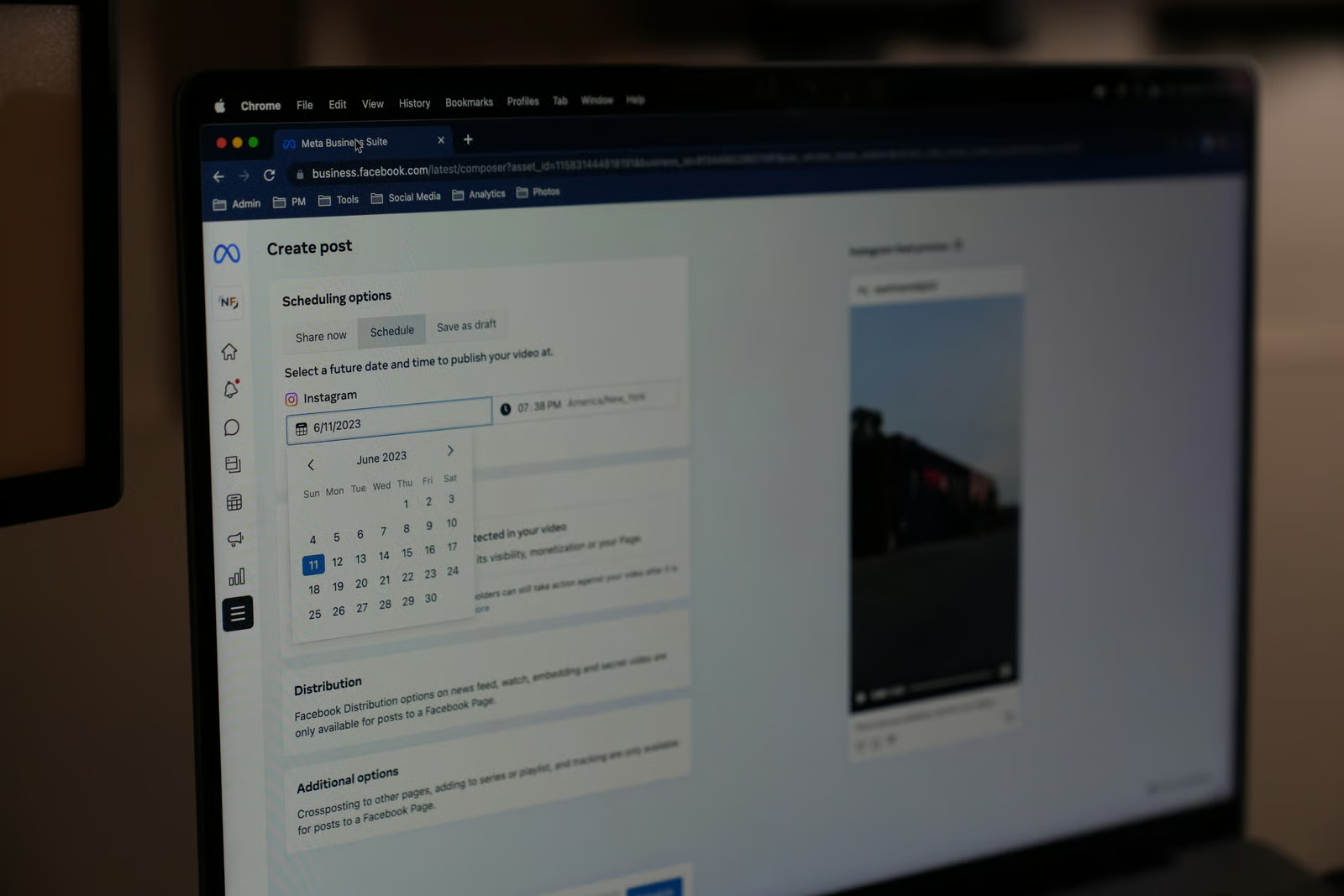
How to Schedule Instagram Reels (Phone + Computer)
Schedule Instagram reels in advance from the phone app or Meta Business Suite on your computer. Step-by-step guide for both methods.
Tyler · April 1, 2026
 AI & Tools
AI-Powered Marketing for Clinics: The Complete 2026 Guide for Physio, Chiro, Osteo and RMT
Learn how AI marketing for clinics works and see the best free AI tools physio, chiro, osteo and RMT clinics can use to save time and stay consistent.
Tash · November 13, 2025
Run Your Own Clinic Marketing
Cliniverse gives you the ads, posts, courses, and AI to grow your clinic, with experts on call. You own everything you build.