

2026 Digital Marketing Trends: What Every Business Needs To Know
Digital marketing has changed more in the last two years than it did in the previous ten. Platforms pushed major updates, algorithms shifted, AI is taking off, and consumer behaviour moved faster than most businesses could keep up with. And now we’re heading into 2026 with a landscape that rewards clarity, adaptability, and speed more than anything else.
This trends report exists for one reason. Businesses want to know what will matter in 2026, not predictions or theories. They want the truth about where attention is going and what channels, tactics, and strategies will drive growth. The tools are different, but the fundamentals haven’t changed. People still respond to value, trust, speed, and relevance. The companies that keep those principles front and centre will win.
We’re three weeks from 2026, which means these trends are already happening. You’re not preparing for next year, you’re stepping into it right now, and the businesses that act early get momentum while everyone else spends the year playing catch-up.

The Core Shift Driving Marketing in 2026
Marketing in 2026 comes down to one thing. Businesses that adapt fast will grow, and businesses that hesitate will get left behind. The landscape is moving too quickly for slow decision-making. Platforms roll out changes without warning, algorithms adjust in real time, consumer expectations rise every month, and AI is taking over. The gap between brands that respond quickly and brands that overthink is getting wider.
The advantage now belongs to the companies that test more, learn faster, and make simple changes before their competitors even notice something shifted. That doesn’t mean chasing every new trend. It means staying close to your customers, understanding what they want, and adjusting without dragging the process through five layers of approval. Speed creates clarity. Speed creates data. Speed creates momentum.
This is the part most businesses miss. They think marketing is about producing more content, buying more ads, or adding more tools, but it isn’t. The shift is operational: shortening the window between idea and execution. The businesses that create fast cycles of action, measurement, and improvement are the ones that will consistently show up where the customer is paying attention.
In 2026, relevance wins, not perfection or polish or complexity. The brands that stay close to the market and respond quickly will outperform the ones trying to build the “perfect strategy” behind closed doors. This year isn’t about doing more, it’s about moving with purpose and staying aligned with where attention is going next.

The Social Media Trends That Will Shape 2026
Social media isn’t slowing down. It’s getting louder, faster, and more competitive. The platforms are different, but the common theme is the same. Attention goes to the creators and businesses that stay real, move quickly, and focus on value. In 2026, the gap between content that gets ignored and content that drives revenue gets even wider.
Here are the shifts that matter.
Short-form video keeps dominating, but the rules are changing
Short-form isn’t new anymore: what’s new is the standard, and platforms are prioritizing retention over views. This means your first three seconds matter more than anything, and your content has to answer a question, solve a problem, or hold attention with genuine personality. The days of “post a Reel for reach” are done. In 2026, short-form is the backbone of discoverability, education, and trust-building.
Authenticity beats production value
People scroll past polished ads because they don’t feel real. They stop for humans. This shift started years ago, but in 2026 it becomes the norm. The brands that win are the ones that show their process, their people, their thinking, and their real day-to-day. Messy content converts because it feels honest. Low production lowers the barrier to volume, and volume gives you more at-bats to learn what works.
Social search becomes a primary discovery channel
More people are searching on TikTok, Instagram, and YouTube than ever before. They’re not just looking for entertainment. They’re looking for solutions, recommendations, and answers to specific questions. This changes how content gets found. Captions need strong keywords and videos need titles that answer direct questions. Creators who treat social like a search engine will outperform those who create without intent.
Communities matter more than audiences
People want connection, not just content. Private groups, niche communities, and micro-tribes are becoming the drivers of influence. Engagement inside a small, focused group is worth more than a large follower count with no interaction. In 2026, businesses will get better results from meaningful, ongoing conversation than one-way broadcasting.
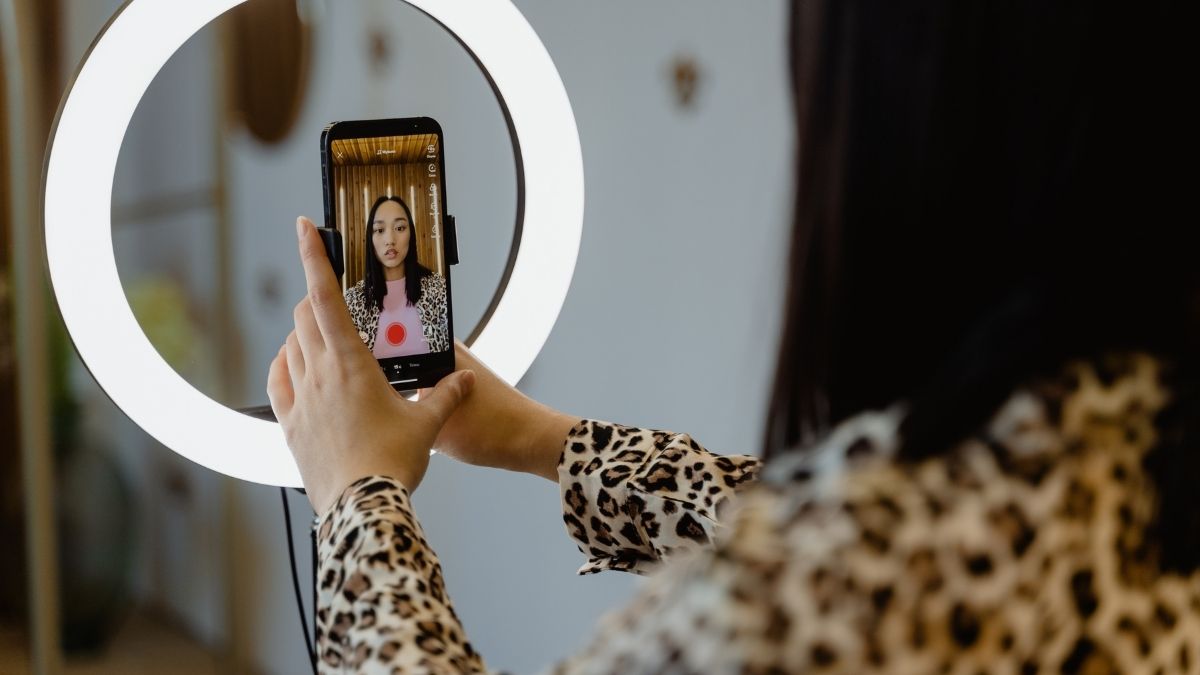
The SEO and Search Trends That Will Shape 2026
Search is entering a new era. Google is changing how results appear, users are shifting how they search, and AI tools are influencing the kind of content people expect. The businesses that win in 2026 are the ones that understand how search behaviour is evolving and adjust before everyone else does.
SEO isn’t dying, it’s maturing, and the companies that take search seriously this year will have an advantage.
AI Overviews and zero-click search will change visibility, not kill SEO
Google is keeping more traffic on its own platform. More answers are appearing directly in AI Overviews and featured snippets. That means businesses can’t rely only on ranking for broad keywords. Search will reward depth, clarity, and firsthand expertise.
Pages that answer the question behind the query will rise. Pages stuffed with keywords or generic advice will disappear. In 2026, you win by being the best resource, not the loudest.
GEO: The New Layer on Top of SEO
One of the most important search trends heading into 2026 is GEO, or Generative Engine Optimization. GEO is what determines whether AI platforms like ChatGPT, Perplexity, and Google AI cite your business when someone asks a question in your category.
Traditional SEO gets you a blue link. GEO gets you quoted in the AI’s answer. The businesses that understand this distinction early will have an advantage.
Content that shows experience outranks content written to “look like SEO”
Google has made it clear that they want “experience-driven” content, and people want it too. Content built around lived experience, worked examples, plain explanations, and clear answers consistently performs better.
This shift removes the advantage from companies that publish volume without value. Businesses that teach, show behind-the-scenes, and use their own data will rise in search far faster than those recycling what’s already online.
Search intent matters more than keywords
The biggest SEO mistake heading into 2026 is writing content around keywords instead of writing content around intent. Users are searching differently. They ask deeper questions, want context, and want the quickest path from problem to solution.
If you think about it, people are talking with AI search engines. They aren’t just searching for one small thing.
Modern SEO is about clarity. What problem does the user have? What is the fastest, simplest way to solve it? Websites that make this easy become the ones Google trusts.
Video SEO becomes a major growth channel
YouTube Shorts, TikTok, and Instagram are functioning as search engines. People search inside these platforms the same way they search on Google. In 2026, ranking on search means ranking in video search too.
Short, clear videos that answer direct questions will outperform long explainer blogs. Google has already started surfacing video answers in results. This trend will only accelerate, and brands that invest early will win long-term visibility.
Technical performance still matters, but it’s no longer optional
Fast pages, clean structure, simple navigation, and strong metadata are expected, not impressive. Users bounce if a site is slow or confusing. Algorithms follow user behaviour. In 2026, technical SEO isn’t about winning, it’s about removing obstacles that keep you from winning.
The businesses that combine strong content with strong performance will separate from the ones doing only one or the other.

Paid Media Trends Every Business Needs to Understand in 2026
Paid advertising isn’t dying. It’s getting smarter. Platforms are doing more of the heavy lifting with automation, but they’re also demanding more from the businesses using them. In 2026, the companies that win with paid ads won’t be the ones spending the most money. They’ll be the ones giving platforms the best inputs and strongest creative.
The foundation hasn’t changed. Ads work when the message is strong, the offer is clear, and the experience after the click is consistent. What’s changed is how platforms decide who sees your ads and how much you pay to reach them.
Here are the paid media shifts that matter this year.
Creative becomes the most important part of every campaign
Targeting used to be the secret weapon. Not anymore. Platforms use machine learning to decide who should see your ad based on creative performance. Better creative lowers costs. Weak creative gets buried.
This is good news. You don’t need complicated setups, you need messages that hit: clear offers, clear outcomes, social proof, simple stories, and native-feeling videos. Platforms reward ads that look like content, not ads trying too hard to be ads.
First-party data becomes the backbone of paid advertising
The cookie phase-out accelerates in 2026. Businesses that rely only on platform data will lose targeting power and retargeting reach. The businesses that collect emails, phone numbers, and customer insights will own their audience instead of renting it.
This is how you keep costs predictable. When you control the data, you control the relationship. It also gives platforms better signals to find more people who behave like your best buyers.
Platform automation grows, and advertisers must adapt
Google, Meta, and TikTok have made one thing clear. Manual optimization is fading. Smart bidding, broad audiences, and automated placements are the new standard. This doesn’t mean advertisers lose control. It means control shifts to strategy instead of micromanagement.
In 2026, the winners will focus on:
- offers
- creative angles
- customer journeys
- conversion experiences
- high-quality signals sent back to the platforms
The machines do the heavy lifting only if you feed them strong inputs.
Costs will keep rising, but so will opportunities for businesses with strong offers
Ad prices always rise and competition increases, but this doesn’t hurt everyone equally. Businesses with strong offers convert at higher rates, which lowers acquisition costs even in competitive markets. On Meta specifically, Meta ad costs hinge on your campaign objective and how welcome the ad feels in the feed, so a sharper offer and better creative pull your cost per result down faster than a bigger budget does.
This is where most companies fall behind. They try to fix ads with more spend instead of fixing their offer. Ads amplify what’s already there. If the positioning is weak, the ads will expose it. If the offer is strong, the ads will scale it.
Short-form video ads outperform traditional formats
Platforms prioritize movement and storytelling. Static ads still have value, but video outperforms in almost every category including attention, click-through rate, and retention. In 2026, the businesses that learn to produce simple, fast, native videos will consistently outperform those that rely on graphic-heavy ads.
Speed matters. Volume matters. Test angles, not just formats.

How Consumer Behaviour Is Shifting in 2026
Marketing only works when it matches how people make decisions. In 2026, buyers are moving faster, comparing more options, and expecting clarity without digging for it. The biggest mistake businesses make is assuming people think the same way they did three years ago. They don’t. Attention is shorter, trust takes longer, and expectations are higher.
Here’s what’s changing and why it matters.
Speed creates trust
People don’t wait, don’t bookmark, and don’t “come back later.”If your content, your response time, or your booking flow slows them down, they move on.
In 2026, the brands winning attention are the ones that give people what they want without friction:
- fast-loading pages
- fast customer service responses
- fast answers in content
- fast clarity on next steps
Speed is no longer a competitive advantage. It’s the barrier to even being considered.
Proof matters more than promises
People don’t trust brands. They trust people. Screenshots, stories, reviews, case studies, examples, and behind-the-scenes content outperform claims every single time. A business saying “we’re great” means nothing. A customer saying it means everything.
If you want people to choose you over a competitor, you need proof everywhere.Real proof. Not stock images and generic testimonials.
Buyers want personalized experiences, but not complexity
Consumers want to feel seen. They want recommendations that fit their needs, not a generic message that could apply to anyone. But they don’t want to work for it. Personalization in 2026 is about simplicity, not data overload.
Give people clear paths, ask fewer questions, and make the choices obvious.The easier the decision, the faster they move forward.
Value has become the deciding factor, not price
People will pay more for the brand that reduces risk, gives them clarity, and shows outcomes. This is why strong offers, guarantees, and transparent communication outperform discounts and sales tactics. Certainty is more persuasive than price.
Attention goes to brands that act like humans, not corporations
Buyers reward:
- honesty
- clarity
- behind-the-scenes
- real conversations
- real stories
They ignore:
- corporate tone
- complicated messaging
- over-polished content
In 2026, the most effective marketing will be the content that feels human and useful, not manufactured.
The Platforms to Watch in 2026
Every year, businesses spread themselves thin chasing every platform. In 2026, that approach fails faster than ever. The goal this year isn’t to be everywhere. It’s to be exactly where attention is moving and to understand how people behave on each platform. Attention is shifting, and the platforms below are becoming more important for discovery, influence, and conversion.
These are the ones that matter.
TikTok Search is becoming a mainstream search engine
TikTok isn’t just entertainment anymore. People use it to find answers, compare options, and learn quickly. The search bar is becoming a direct competitor to Google in categories like food, wellness, lifestyle, education, and services.
The platforms that grow in 2026 are the ones that help people solve problems fast. TikTok does this better than almost any platform right now. If you create short, clear, question-driven content with strong keywords, you’ll show up where people are actively looking.
YouTube Shorts remains the most powerful long-term platform for visibility
YouTube is the only platform where your content works like an ad, a search engine result, and a long-term asset. Shorts give creators and businesses a way to get discovered quickly, while long-form videos build depth and authority. Google is also surfacing YouTube videos directly in search results, which means Shorts can now rank like mini blog posts.
For 2026, YouTube is the safest and strongest platform to invest in if you want organic reach that compounds over time.
Instagram prioritizes messaging, recommendations, and private interactions
Instagram is shifting from a posting platform to a recommendation engine. Your content doesn’t just reach your followers. It reaches people who behave like your followers. The algorithm tries to match content with interest, not relationships.
Direct messages, broadcast channels, close friends, and private groups are becoming the places where trust is built. In 2026, the businesses that treat Instagram as a communication tool, not just a posting feed, will see better results.
LinkedIn becomes a mainstream content platform, not just a networking site
More people are consuming content on LinkedIn than ever before. Thought leadership, simple storytelling, and industry insights perform extremely well. LinkedIn favors authenticity and consistency over polish. The companies and founders who show what they’re learning and thinking build authority quickly.
If your audience includes decision-makers or professionals, LinkedIn is no longer optional.
Pinterest is resurging with serious buying intent
Pinterest users aren’t browsing, they’re planning, saving, and ready to buy. With improvements to search, idea pins, and integrated shopping, Pinterest is becoming a high-intent platform again. It’s especially strong for wellness, home, fitness, lifestyle, and services that solve specific problems.
If your brand thrives on visuals or tutorials, Pinterest can quietly become one of your top traffic drivers in 2026.
Reddit ads and communities become valuable as people seek real opinions
Reddit users want honesty and detail, not marketing. That’s why the platform is growing. People want real information from real people, not polished content. The rise of Reddit ads and the push for verified content will make it easier for brands to show up where authentic conversations naturally happen.
In 2026, Reddit is the place for brands that know how to give value without selling too hard.

What Businesses Need To Stop Doing in 2026
Most companies lose momentum because they keep doing things that no longer work. The market moved, consumer behaviour changed, and platforms changed. But many brands are still running the same playbook they were using two or three years ago. In 2026, the cost of sticking with outdated tactics is higher than ever.
Here are the habits that will hold businesses back this year.
Posting content that doesn’t answer questions
Most businesses post for themselves, not the customer. They talk about what they want to promote instead of what people want to know. Content that doesn’t solve a problem or answer a question gets ignored.
In 2026, every post needs a purpose. If it doesn’t help the audience, it hurts your reach.
Overcomplicating funnels and losing people in the process
Funnels with too many steps don’t convert. People don’t want to jump through hoops to buy, book, or learn. Complex flows look smart on paper but fall apart in real life.
This year, simplicity is the advantage.Fewer steps. Clearer actions. Faster paths.
Chasing every new trend instead of mastering what already works
Businesses burn time trying to be on every platform and ride every trend. It spreads teams thin and kills consistency. You don’t need twelve channels. You need a few channels done extremely well.
Focus creates results. Trend-chasing creates noise.
Over-editing content until it loses personality
Polish kills connection. Overproduced content feels corporate and scripted, which is the exact opposite of what performs in 2026. People want unfiltered, helpful, honest communication. They want to see the real business, not the staged version.
Your content should sound like you, not a brand guidelines document.
Running ads without a strong offer
Most ad problems aren’t ad problems at all. They’re offer problems. No amount of targeting or creative can fix an offer that doesn’t feel valuable. Ads amplify what’s already there. If the offer is weak, ads will expose it instantly.
Businesses need to improve what they’re selling, not just how they’re promoting it.
Relying only on organic reach and hoping it’s enough
Organic reach is inconsistent and algorithms change without warning. If your whole strategy depends on free distribution, you’re building on borrowed land. Businesses need a mix of organic content, paid amplification, and owned channels. Anything else is gambling.
One format, one platform, one strategy: that’s risk, not a marketing plan.

What Will Drive Growth in 2026
Trends matter, but execution is what creates growth. Most businesses don’t need more tools, more complexity, or more strategies. They need a tighter focus on the things that consistently produce results. Attention is harder to earn in 2026, so the businesses that rise are the ones that remove friction, communicate clearly, and take action faster than their competition.
Here are the moves that will drive growth this year.
Strong offers outperform everything else
A strong offer makes every marketing channel work better. It lowers acquisition costs, improves conversion rates, and increases retention and referrals. In 2026, the brands winning are the ones that build offers around outcomes, not features. They make the value obvious, reduce risk, and simplify the decision.
Weak offers force you to work harder. Strong offers make everything easier.
Simple messaging beats clever messaging
People don’t have time to decode what you meant. If your marketing makes them think too much, you lose them. The fastest-growing brands in 2026 are the ones that communicate clearly. They say who they help, what problem they solve, and what happens next. Nothing more.
Clarity creates confidence. Confidence creates action.
Speed of testing becomes a competitive advantage
Marketing used to reward the perfect plan. Now it rewards iteration. You learn by putting things into the world. You improve by watching what people respond to. Businesses that test weekly grow. Businesses that test yearly stay stuck.
Speed isn’t chaos, it’s controlled repetition. Test angles, creatives, offers, and experiences, and the data tells you exactly what to do next.
High-volume creative testing becomes essential
Platforms reward fresh content. The more creative variations you produce, the more chances you have to find the angles that convert. This isn’t about quantity for the sake of quantity. It’s about learning faster. Small businesses that commit to regular creative testing will outperform large companies that move slow.
Creativity is no longer optional. It’s a revenue driver.
Owning your audience is more important than renting it
Algorithms change. Platforms rise and fall. What stays consistent is your email list, your SMS list, your community, and the people who choose to stay connected to you. In 2026, businesses that rely 100 percent on rented platforms will face unpredictable reach and inconsistent results.
If you don’t own your audience, you don’t own your growth.
Customer experience becomes the new marketing
People talk, share, and compare, and a great experience drives more growth than a great campaign. Faster onboarding, clearer instructions, easier booking flows, friendlier communication, and consistent follow-up build momentum that paid ads can’t match.
Marketing brings people in the door. Experience brings them back and turns them into advocates.
Consistency is the multiplier
The biggest threat to any business in 2026 is inconsistency. Inconsistent content, message, speed, and customer experience. Every trend in this report is amplified by consistency and undermined by the lack of it.
Businesses that commit to a simple, repeatable system will win more than the businesses chasing hacks.
Frequently Asked Questions About 2026 Digital Marketing Trends
These are the questions people are searching most often heading into 2026. Each answer is simple, practical, and based on what we’re already seeing across platforms and consumer behaviour.
How will digital marketing change in the next five years?
Digital marketing will keep moving toward simplicity, speed, and relevance. Automation will replace manual tasks. Content will become more search-driven and more personalized. Video will dominate discovery. Brands with strong offers, clear messaging, and consistent content will grow faster than brands relying only on tactics or algorithms. The next five years will reward businesses that move quickly, stay close to the customer, and build systems instead of chasing hacks.
What are the SEO trends in 2026?
SEO in 2026 centres on depth, clarity, and authority. AI Overviews will push low-value content out. Experience-based content will rank higher than generic information. Video will integrate deeper into search, especially YouTube Shorts. Technical performance will remain a baseline requirement. Businesses that focus on topic expertise, strong internal structure, and solving user questions will win long-term visibility.
What is the fastest-growing area of marketing in 2026?
Short-form video and AI-assisted content creation continue to grow the fastest. Social search is also expanding rapidly as users rely on TikTok, Instagram, and YouTube to find answers instead of traditional search engines. Community-driven marketing is another fast-growth area as brands shift from “building audiences” to “building belonging.” Any format that delivers fast value with low friction is scaling quickly.
Will digital marketing keep growing in 2026?
Yes. Digital marketing grows every year because every part of the customer journey now happens online. People research online, ask questions online, compare options online, and buy online. Even word of mouth has moved digital. As more platforms integrate search, shopping, and messaging, the demand for strong digital presence will only increase. The question isn’t whether digital marketing will grow. It’s whether businesses will adjust quickly enough to stay competitive as it does.

Digital Marketing Best Practices for 2026
Most businesses overcomplicate marketing. They chase tools, trends, and tactics instead of focusing on what drives growth. The truth is simple. The companies that win in 2026 will be the ones that stay close to their customers, move quickly, and communicate with clarity.
Here are the principles that tie this entire report together.
Focus on the platforms and formats that people use
Attention is fragmented, but it’s not random. Short-form video, social search, and YouTube are where people spend time. If your content doesn’t show up where people look for answers, you make growth harder than it needs to be.
Keep your message simple
People don’t respond to clever marketing, they respond to clarity. Say what you do, who you help, and why it matters. Simple messaging outperforms complicated branding every time.
Move faster than your competitors
Speed is a growth strategy. Test ideas quickly, publish more often, and iterate instead of waiting for perfect execution. The market rewards the businesses that learn fastest.
Build proof into everything
Buyers want evidence, not promises. Reviews, screenshots, examples, and stories turn strangers into believers. Proof removes risk, risk kills conversions, so make it easy for people to trust you.
Strengthen your offer
A strong offer cuts through crowded feeds, rising ad costs, and algorithm changes. It gives people a reason to act now. You can’t out-market a weak offer. Fix this first, and every channel starts performing better.
Own your audience
Platforms change and algorithms shift, but an email list, a text list, or a private community is yours. If you rely only on rented reach, your growth is unpredictable. Businesses that own their audience will stay stable no matter what platforms do this year.
Stay consistent
Consistency is the multiplier. When your message, content, speed, and offers stay aligned, growth compounds. The businesses that treat marketing as a daily practice, not a once-a-quarter task, are the ones that break through.

How Clinics Can Apply These 2026 Digital Marketing Trends
If you’re a clinic owner looking at these trends and wondering what applies to you, the truth is simple. You don’t need to master everything. You just need a plan that fits your clinic, your goals, and your capacity.
If you want help figuring out what matters most for your clinic in 2026, reach out. We’re always happy to walk through your situation, answer questions, and point you in the right direction.
Related Articles
 Get Found Online
Top 10 Forms Of Digital Marketing You Need to Do
Digital marketing has become a wide ranging discussion. Here is a list of the top forms of digital marketing that every business needs to do.
Tyler · July 11, 2023
![How Many Blog Posts Are Published Daily? [Latest Stats & Trends]](/img/blog/how-many-blog-posts-are-published-daily-latest-stats-trends.jpg) Social & Content
Social & ContentHow Many Blog Posts Are Published Daily? [Latest Stats & Trends]
How many blog posts get published every day? See the latest 2026 stats on global blogging volume and what it means for content marketing.
Tyler · February 18, 2025
 Get Found Online
2026 Website Traffic Trends: Why Mobile Rules The Internet Now
Learn the latest mobile vs. desktop trends for 2026 & why having a mobile-friendly website is crucial for SEO, marketing, and user experience.
Tyler · February 2, 2026
Run Your Own Clinic Marketing
Cliniverse gives you the ads, posts, courses, and AI to grow your clinic, with experts on call. You own everything you build.