
Project Roar: The Rise Of Jaguar’s Polarizing New Identity
In a bold move to redefine its identity, Jaguar has launched a rebranding campaign dubbed “Project Roar.” This ambitious initiative coincides with the company’s transition to an all-electric lineup, aiming to position Jaguar as a leader in the ultra-luxury EV (electric vehicle) market. However, the campaign’s reception has been divisive, sparking heated debates among consumers, critics, and industry insiders.
What we believe could be causing all this uproar are a few key factors: failing to align with their target demographic, distancing themselves from the core values that have defined their brand, and, based on the commercial, adopting what some perceive as a “woke” approach. Let’s dive deeper into these elements and explore the lessons we can take from this in our own marketing efforts.
A New Era: From Legacy to Futurism
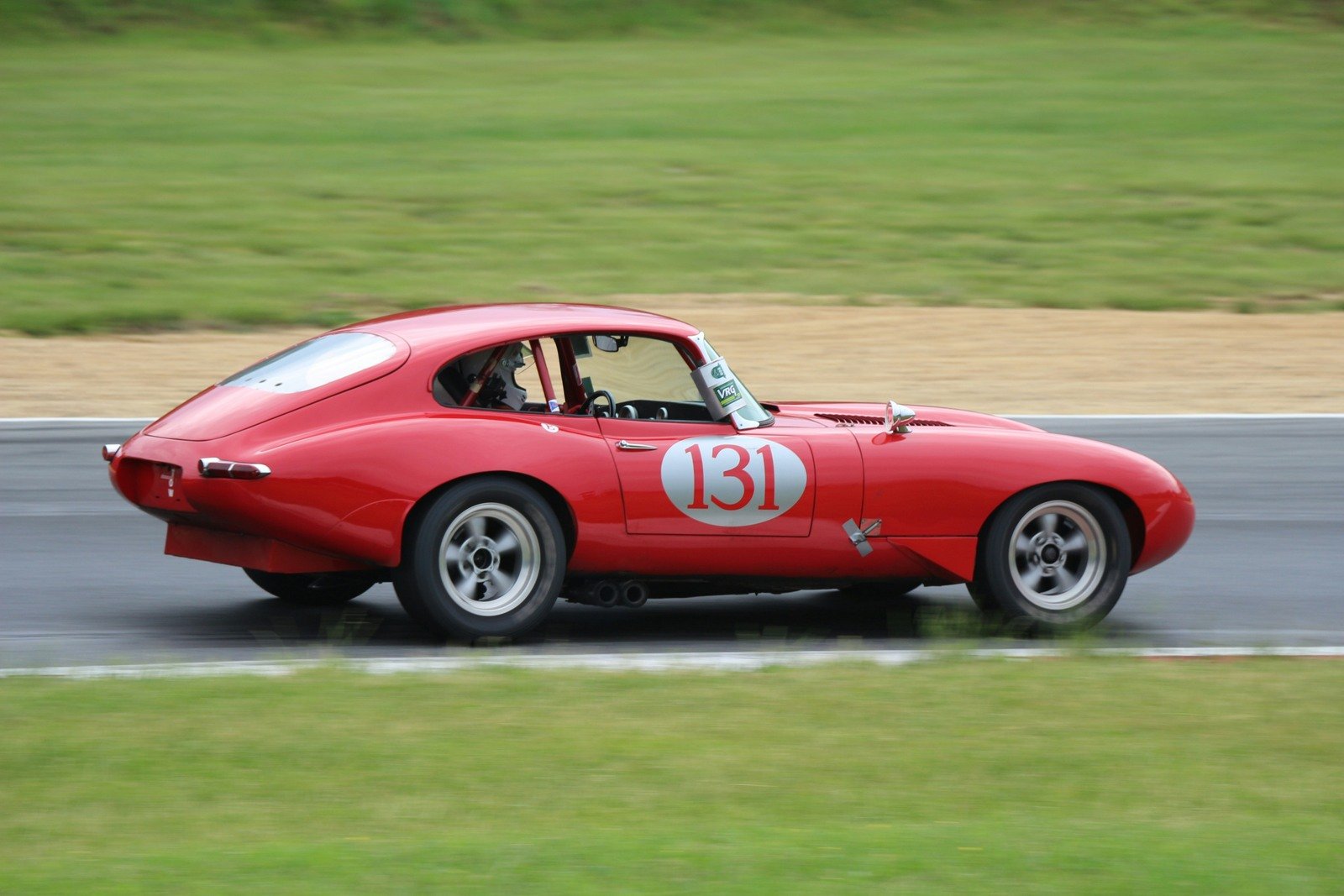
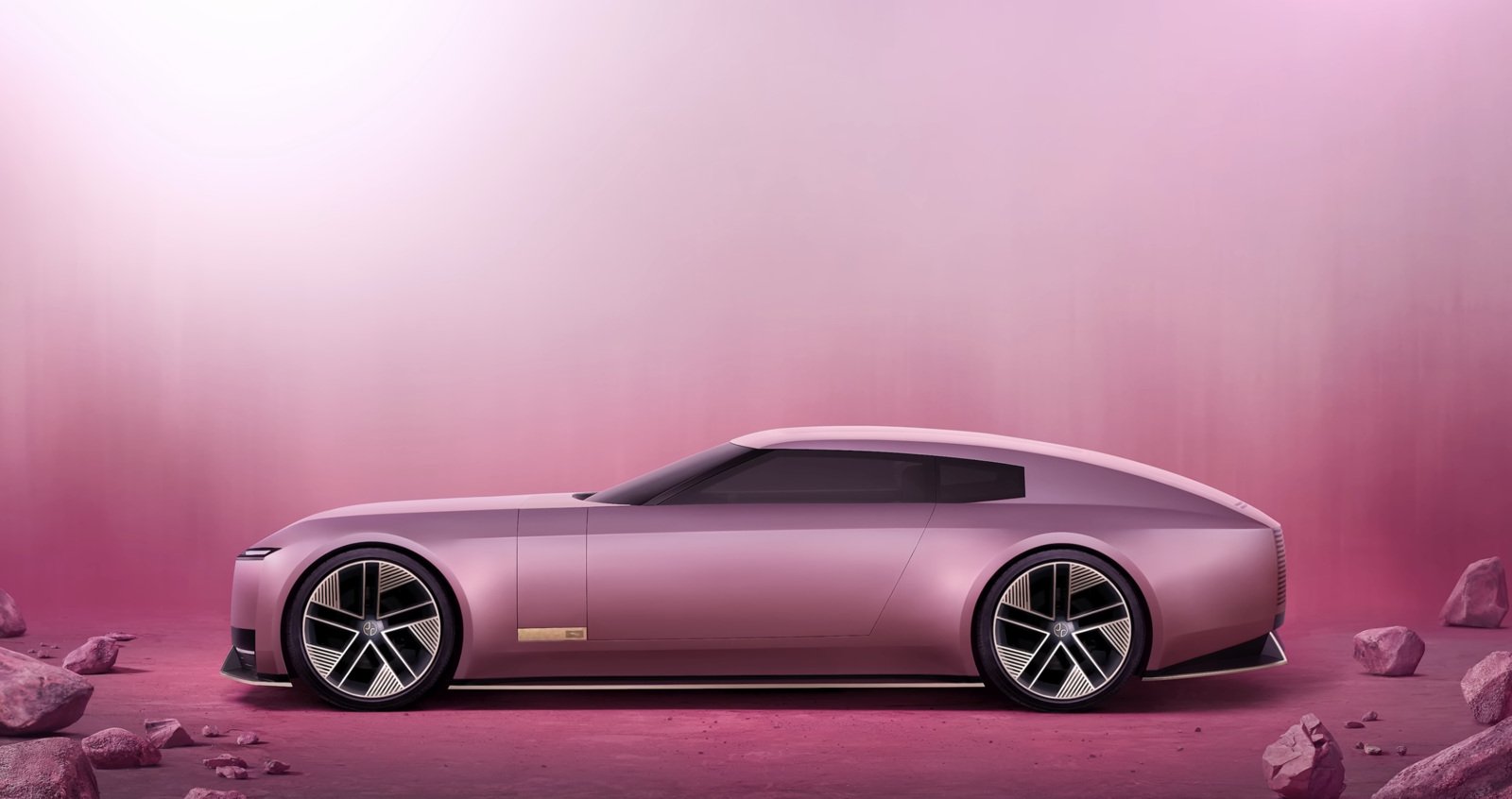
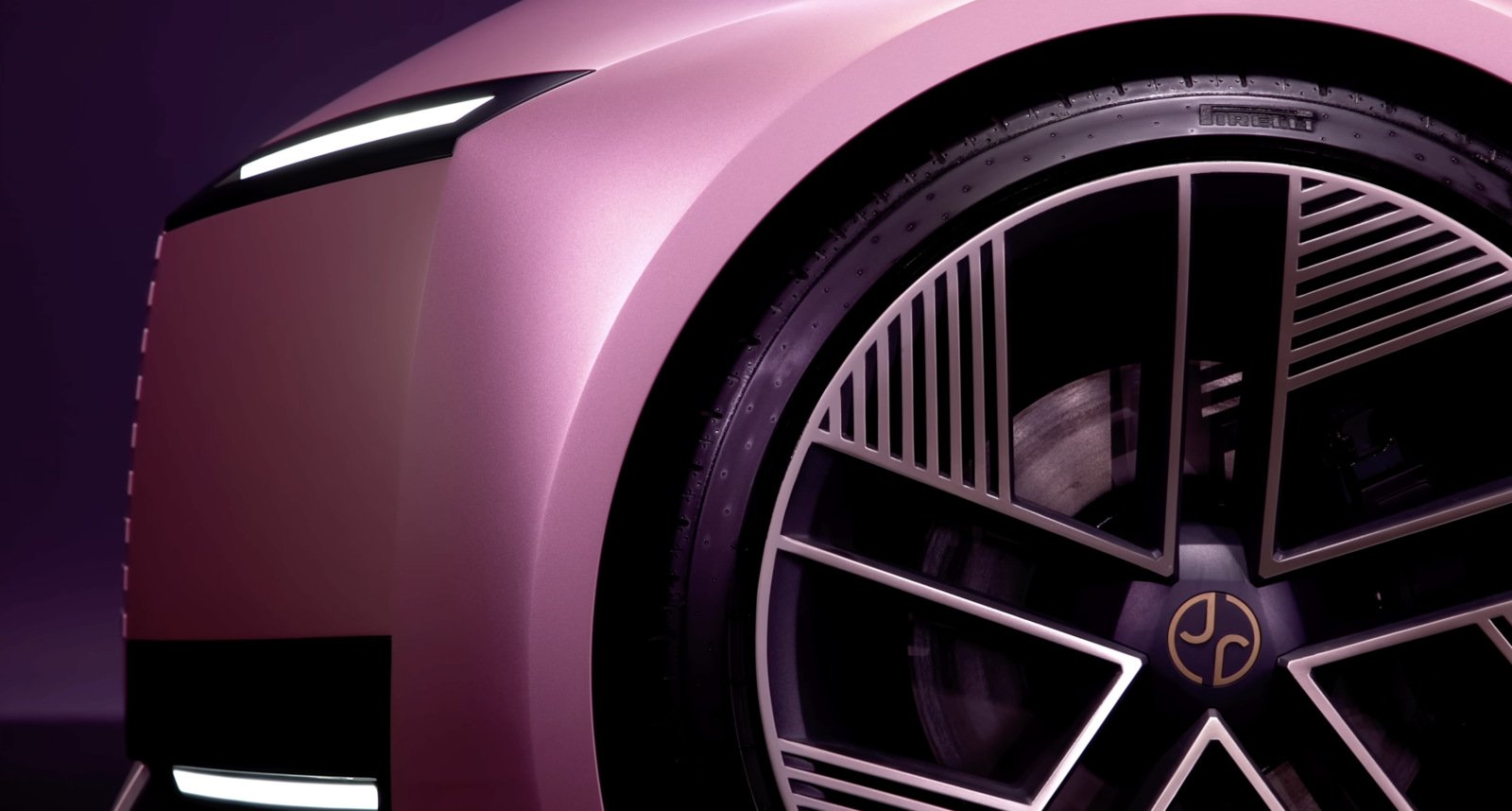
Historically, Jaguar has been synonymous with Luxury, Performance, and Elegance. The brand’s classic models like the E-Type evoke timeless sophistication. With this rebrand, however, Jaguar is shifting gears toward Minimalism, Futurism, and Disruption, a bold departure from its roots. The new logo, featuring a sleek double “J” monogram, reflects this modernist vision, and the campaign’s slogan, “Copy Nothing,” emphasizes their intent to defy convention.
Context on the Luxury EV Market
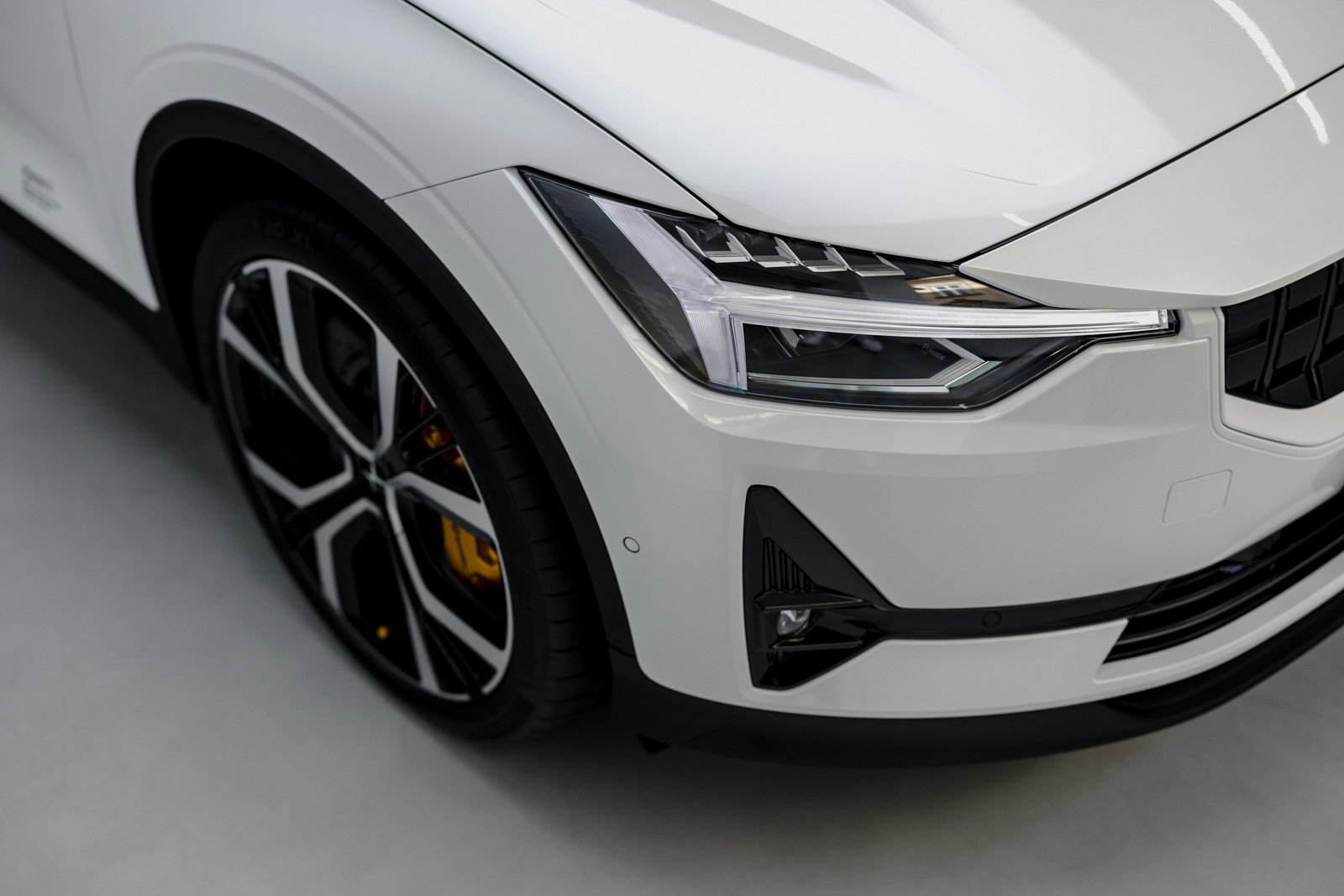
The luxury EV market is rapidly evolving, with key players like Tesla, Porsche, and Mercedes-Benz dominating the space. These brands have successfully combined cutting-edge technology with their unique identities, creating a competitive landscape where innovation and sustainability are paramount. Jaguar’s entry into this market represents an opportunity to carve out a niche, but it also requires balancing its legacy of luxury with the demands of modern consumers who prioritize eco-consciousness and sleek design. This rebrand positions Jaguar as a competitor, but has it gone far enough to differentiate while staying true to its roots?
The Campaign: Striking or Straying?
Jaguar’s “Copy Nothing” campaign takes a high-fashion approach, with promotional materials focusing on abstract, artistic visuals rather than showcasing the vehicles themselves. While this aligns with the ethos of being “unlike anything else,” it has left many wondering if the campaign strays too far from its automotive identity.
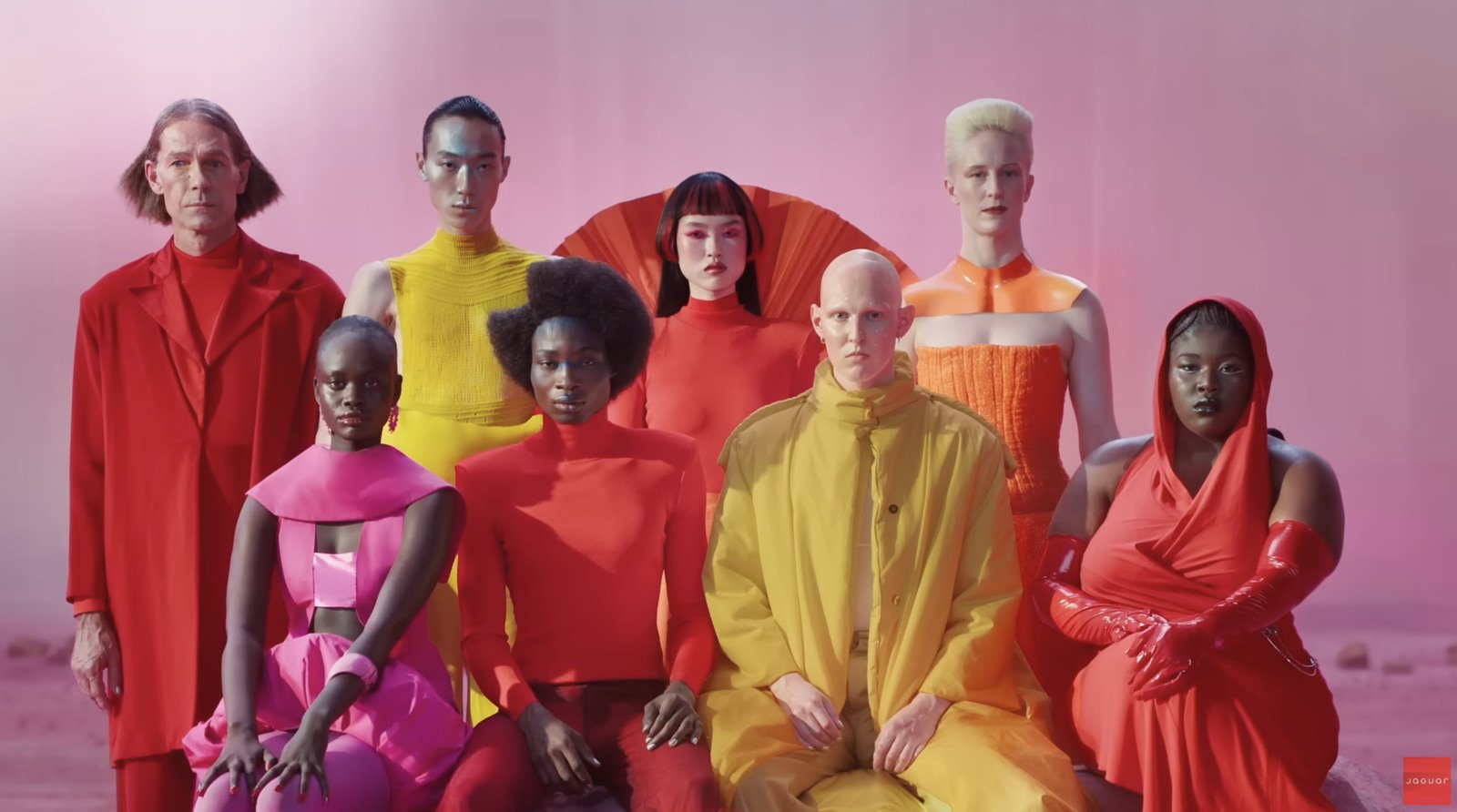
Critics argue that the campaign risks alienating Jaguar’s loyal customer base, who valued the brand’s heritage and performance-driven image. The absence of cars in the campaign, while innovative, has been perceived as an oversight by some, especially in an industry where the product is traditionally front and center.
Do you sell cars? Elon Musk (@elonmusk), November 19, 2024
A Polarizing Response
The response to Jaguar’s rebranding has been anything but lukewarm:
- Praise for Boldness: Supporters view the campaign as a daring and necessary reinvention, positioning Jaguar as a forward-thinking brand in an increasingly competitive EV market. Nearly all car companies are moving toward EV and with that decision, you need to market these. These companies are then creating car commercials showcasing their electric cars, as they should since it’s their core product, where Jaguar took a different approach. They didn’t show one car in their commercial which aligns with their slogan “copy nothing”.
- Criticism for Disconnect: Detractors feel the rebrand disconnects Jaguar from its legacy and fails to resonate with its core audience. Their target demographic was older, wealthier males that liked the classic feel and look to their cars. Now, it appears they are trying to target the millennials and Gen-Zers and ignoring their core audience who created the company that they are today.
Historical Perspective: Why Jaguar’s Heritage Matters
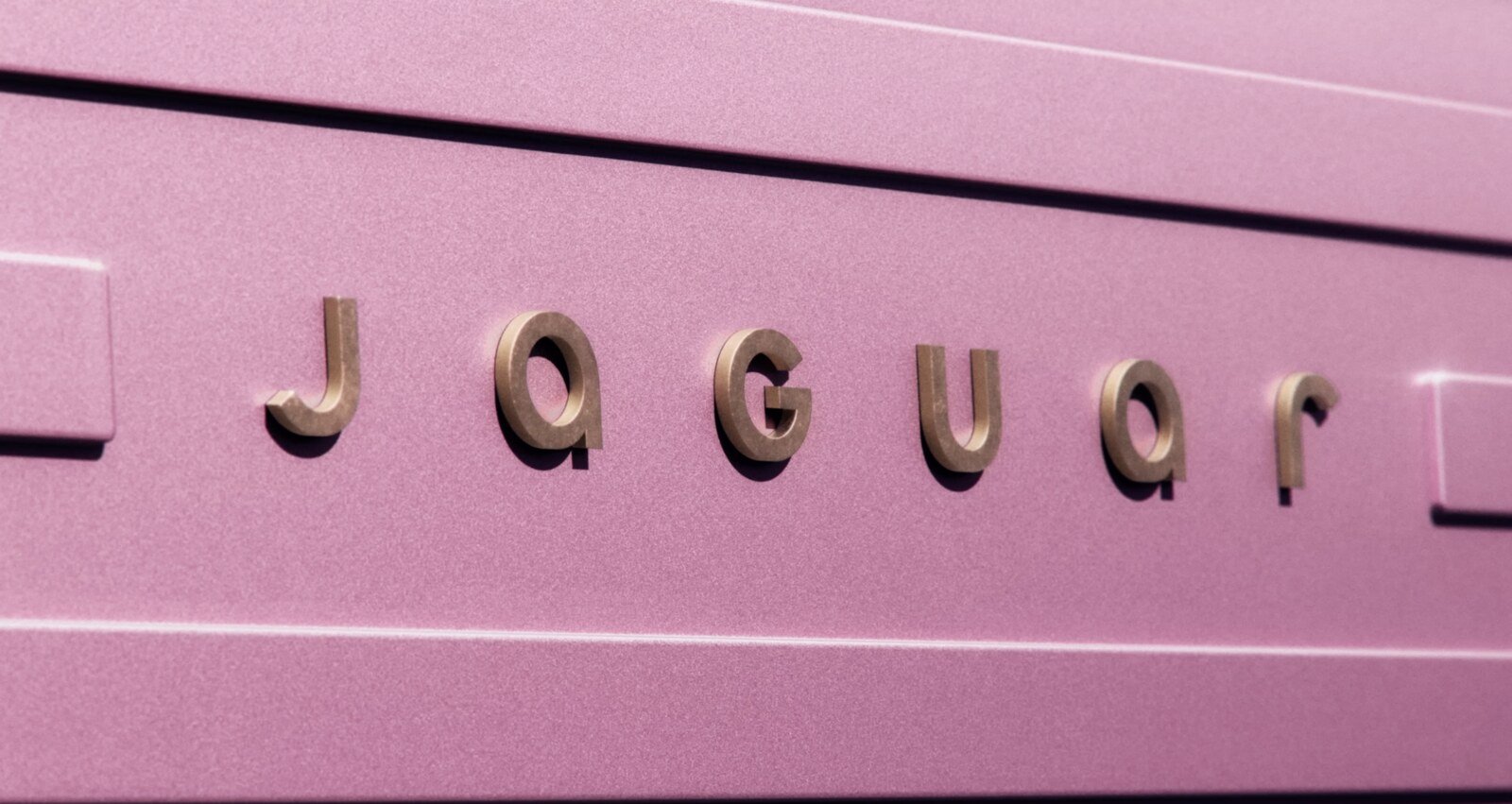
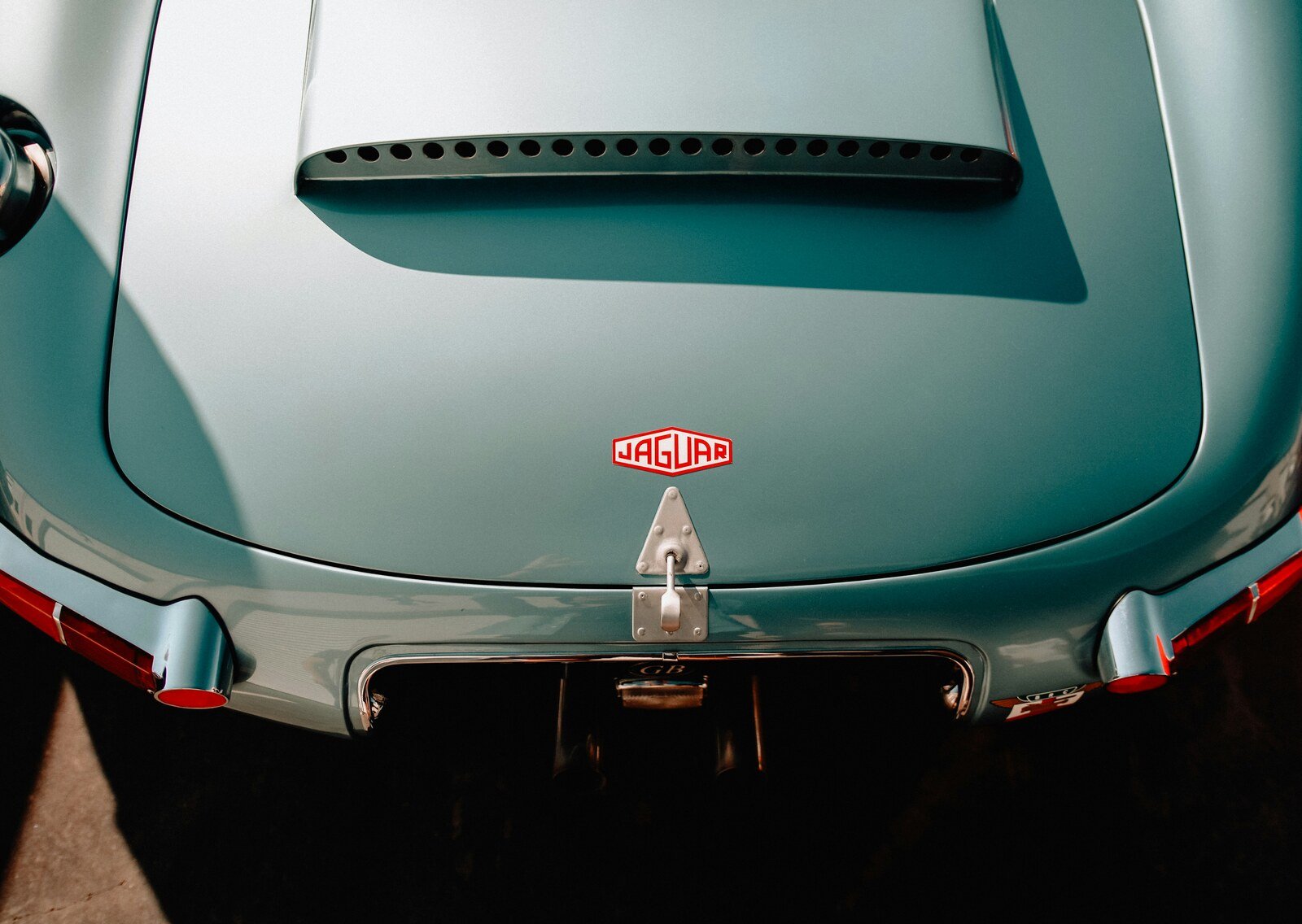
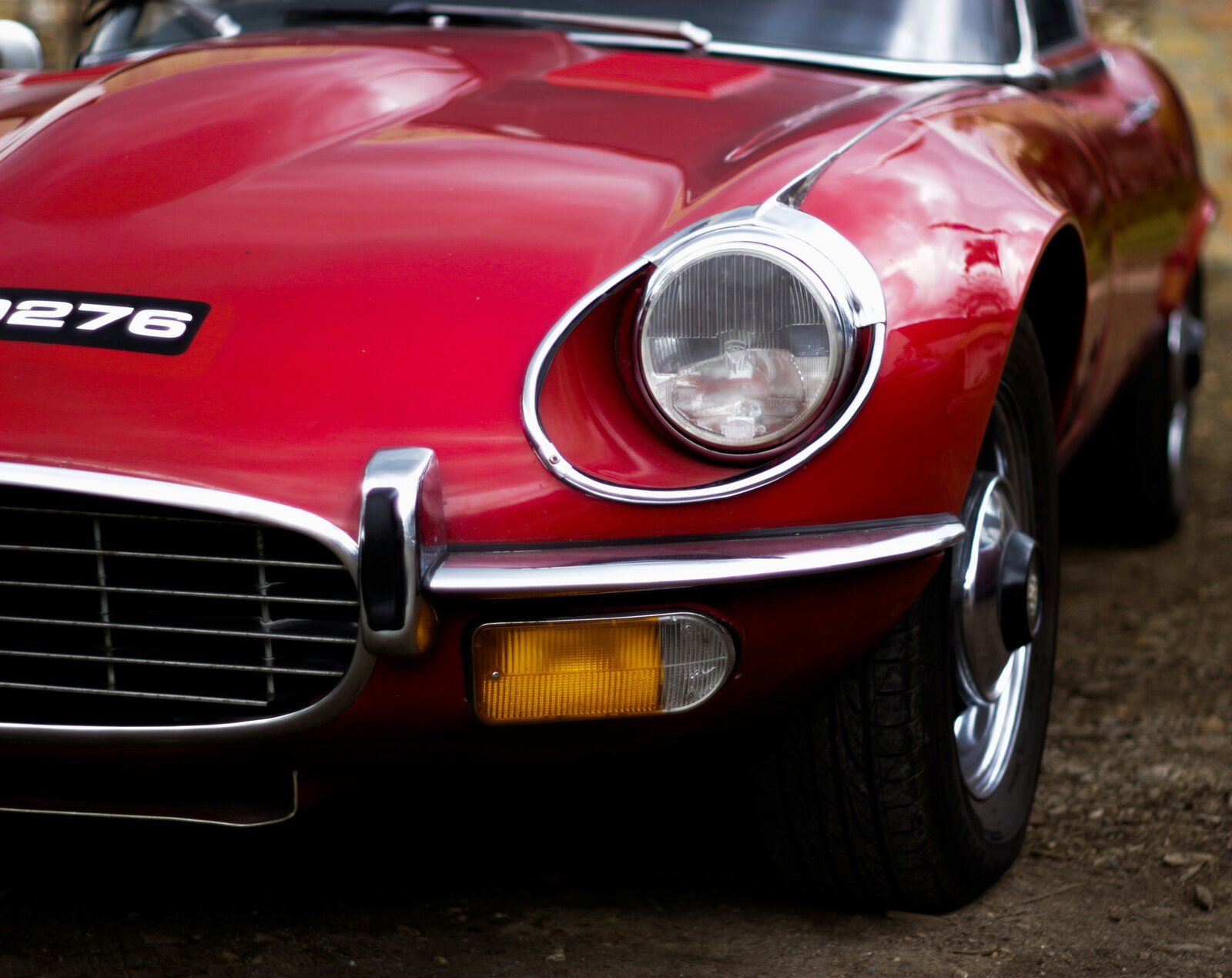
For decades, Jaguar has been synonymous with elegance, performance, and timeless design. Models like the E-Type and XJ not only defined the brand but also earned a loyal following among car enthusiasts who valued its blend of sophistication and power. This heritage is not just a selling point; it’s a cornerstone of Jaguar’s identity. Moving toward minimalism and futurism is bold, but abandoning core values risks alienating a customer base that sees Jaguar as a symbol of tradition. Successful luxury brands like Porsche have shown how to modernize while honoring their history, a balance Jaguar might have missed.
Jaguar’s Lessons for Marketers
Jaguar’s rebrand serves as a case study in the risks and rewards of bold marketing:
- Know Your Audience: While innovation is crucial, it’s essential to balance new directions with the expectations of your loyal customer base. Typically, the demographic who would be buying their cars are older males with traditional views and values. This new “woke” culture that has been brought into society, they typically aren’t too keen to that.
- Core Values Matter: Align your campaign with the values that define your brand identity. Straying too far can alienate existing supporters. Jaguar took a complete 180 with their rebrand and marketing campaign here.
- Disruption with Purpose: Being disruptive for the sake of attention is risky unless it ties back to a cohesive brand strategy. Is all publicity good publicity? They got everyone talking about them and their decision.
Target Audience Analysis
Jaguar’s traditional audience has been older, affluent males who value the brand’s legacy of luxury and performance. However, the new campaign seems to target younger, design-focused generations such as millennials and Gen Z. These groups prioritize innovation, sustainability, and minimalism, aligning with Jaguar’s new futuristic approach. The challenge lies in appealing to this new demographic without completely alienating their loyal base. A more integrated strategy that bridges these audiences could have better served Jaguar’s goals.
The Bigger Question: Will Jaguar’s Bet Pay Off?
Jaguar’s campaign has undeniably succeeded in capturing attention and sparking conversation. But will the buzz translate to sales, or will the polarizing approach backfire? Only time will tell whether this rebranding effort revitalizes Jaguar’s image or leaves its legacy in question.
As of the looks of it, no one’s enjoying it. Not only that, so many of these larger corporations are trying to insert this “woke” culture and the market isn’t having it any more. A great pulse check here is with the whole Bud Light fiasco, which is a different story. Their company lost billions in revenue all because of one decision. This poses the question – will Jaguar see similar results?
What Jaguar Could Have Done Differently
- Blend Heritage with Innovation: Jaguar could have incorporated elements of its iconic past into its futuristic vision, creating a campaign that honored its legacy while embracing change.
- Showcase the Cars: In an industry where the product is often the star, Jaguar’s decision to omit vehicles from its campaign left a noticeable gap. Highlighting the design and performance of their new EVs could have bridged the gap between old and new audiences.
- Collaborative Marketing: Partnering with luxury or tech brands could have reinforced Jaguar’s identity while attracting a broader audience.
- Test and Adapt: Conducting smaller-scale campaigns or leveraging focus groups could have provided insights into audience reactions, enabling Jaguar to fine-tune its approach before a full-scale rollout.
- Stick to Their Roots: Jaguar could have stuck to their roots and continued doing what has been so successful over the past 100+ years and got them to where they are at. Instead, they decided to be different, use promotional pieces that their target demographics doesn’t believe in, and alienate their brand. However, as a marketer, I always want to be testing and trying new strategies out, because you never truly know if something will work unless you try it.
Would You Buy a Jaguar EV?
As Jaguar embarks on this new journey, the ultimate verdict lies with consumers. Does the promise of a minimalist, futuristic, and disruptive EV entice you, or do you long for the classic luxury that once defined Jaguar?
If you are looking to improve your branding and marketing, we can help you out and avoid any catastrophic decisions that could otherwise polarize your business! Reach out today to see if we would be a good fit and how we can help take your business to the next level.
Related Articles
 Social & Content
Meta Launches Threads to Compete With Twitter
Elon and Mark's cage match goes a layer deeper. Meta has officially announced its launch of Threads. What this means for marketing.
Tyler · July 6, 2023
 Get Found Online
Meta Is Taking Away Your Placement Exclusions
Meta is removing placement exclusions from ad sets. Set the account-level control instead, and here's why it's the stronger block.
Tyler · August 29, 2026
 Case Studies & News
What Google’s New AI Search Bar Changes for Your Local Business
Google's new AI Mode is a tab today, but the rollout could widen. Here's what it looks like for local businesses and the 3-part check to get ahead.
Tash · May 25, 2026
Run Your Own Clinic Marketing
Cliniverse gives you the ads, posts, courses, and AI to grow your clinic, with experts on call. You own everything you build.