

Does Google Penalize AI Content? What Claude's New Watermark Means for Your Clinic
You may have come across posts warning that AI content is about to be punished and that Google will detect it in an instant. We want to walk you through what genuinely changed, because the news is far less dramatic than those posts suggest, and it matters if you use AI to help with your clinic's marketing.
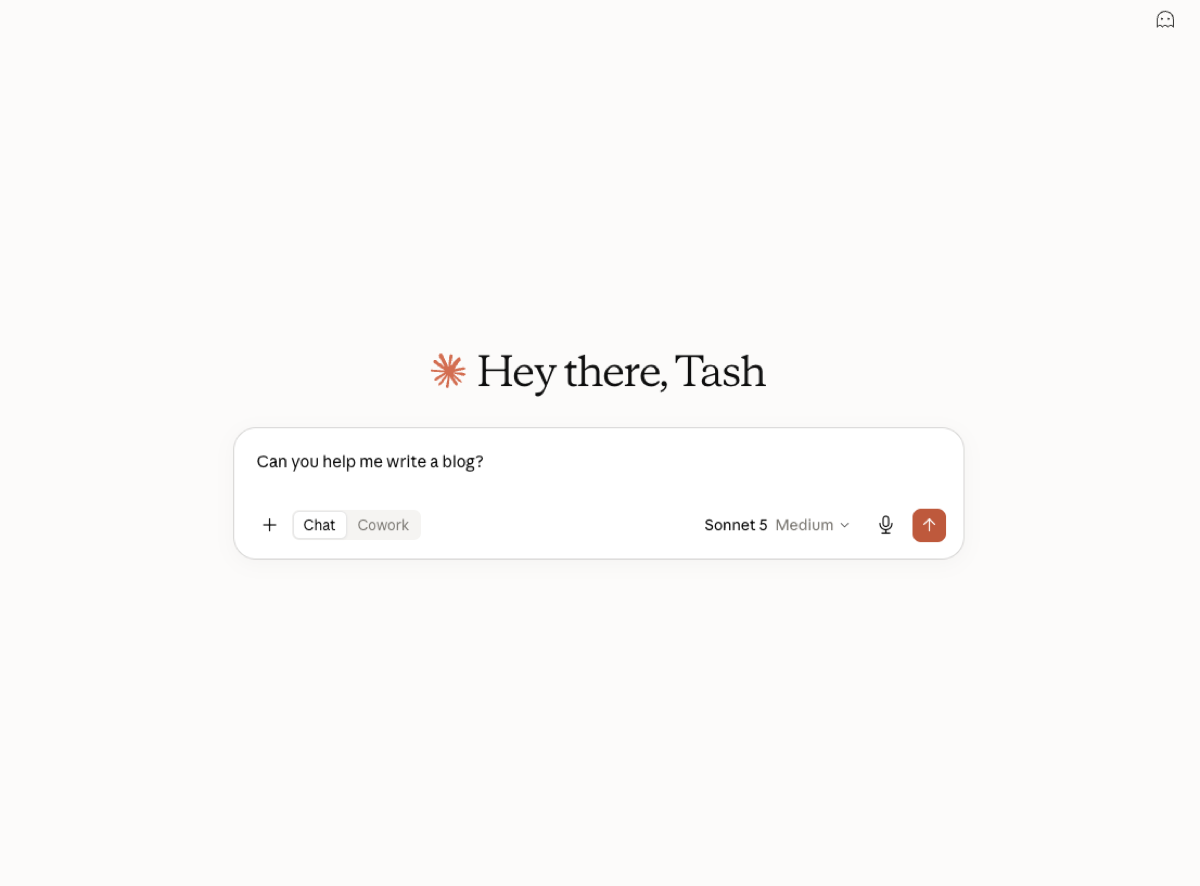
What is the new AI content watermark?
Anthropic is the company behind the AI writing tool called Claude. In August 2026, it started adding an invisible watermark to the text that Claude produces. You will never see the watermark when you read the text, and it stays in place even after the text is copied and pasted somewhere else.
The change comes from new transparency rules in Europe that ask AI companies to make AI-generated content easier to identify. Anthropic decided to apply the watermark to everyone who uses the tool, not only people in Europe, which is why it drew so much attention.
How does the watermark work?
The watermark exists for one purpose, which is to give people a way to check whether a piece of text came from that AI tool. A few details are helpful to understand.
The watermark only identifies text from that one tool. It tells you nothing about content created another way. It can also attach to writing that started as your own: if you paste your draft into Claude and ask it to tidy the wording, the parts it rewrites can carry the mark. The more Claude changes, the easier it is to detect, so a light polish leaves little to find and a heavy rewrite in your own words clears it. Images are handled through a separate method that stores hidden information showing they were made with AI.
In short, a detected watermark suggests the text passed through that AI tool at some point. Anthropic is clear that it cannot tell whether Claude wrote the piece or only edited it, and it is not a judgment about whether the content is good or bad.
Does Google penalize content written with AI?
No, and this is the part the alarming posts get wrong. Google has been clear and consistent for years. It does not lower your rankings simply because content was created with the help of AI. What Google cares about is whether your content is helpful, accurate, and written for the people you want to reach. Content that is thin, repetitive, or written only to game search results can lose visibility, but that has always been true, and it applies to writing by a person in exactly the same way.
Being able to detect that text came from an AI tool is not the same as penalizing it. A watermark gives people a way to identify AI text. It does not change the standards Google uses to decide what deserves to rank.
What does this new watermark mean for your clinic?
For most clinic owners, the honest answer is that little changes. If you use AI to help draft a blog post, a service page, or a social caption, the thing that has always mattered still matters most, which is whether the finished piece is genuinely useful to the patients you want to reach.

We would encourage you to use AI where it helps you move faster, and then make sure the content reflects your knowledge, your experience, and your clinic's point of view. Read anything clinical closely before it goes live so that every claim is accurate and appropriate for your profession. Content built that way earns patient trust and performs well in search, and that will hold true no matter what happens with watermarks and detection tools.
Frequently Asked Questions About AI Content and Google
Can Google detect AI-written content?
The new watermark makes it possible to identify text from one specific AI tool, and it survives copying and pasting. A heavy rewrite removes it, and Anthropic says a detected mark shows only that Claude was likely involved, not that it wrote the piece. Even so, being able to detect AI text is separate from any decision to rank it lower.
Will the watermark hurt my clinic's website?
There is no evidence that a watermark affects your rankings. Your visibility depends on whether your content is useful and trustworthy to patients, which is the same standard that has always applied.
Do I have to tell patients that AI helped write my website content?
No regulatory college in Canada currently requires you to label marketing content as AI-assisted. What they do require is that your advertising be truthful, accurate, and verifiable, and Ontario's standard puts the responsibility on the practitioner to review anything published on their behalf. Who drafted it does not change that, so read it before it goes live.
Does this apply to ChatGPT, Gemini, and other AI tools?
The watermark covered here is specific to Claude. The European rules behind it apply to AI providers generally, so other companies are likely to introduce their own marking in some form, but each one decides how and when. Assume nothing carries across from one tool to another.
Related Articles
 AI & Tools
Does AI Content Rank on Google (and AI Search)?
Yes, AI content ranks. We've seen it firsthand across hundreds of pieces in multiple industries. Here's what determines whether it performs.
Tyler · March 22, 2026
 AI & Tools
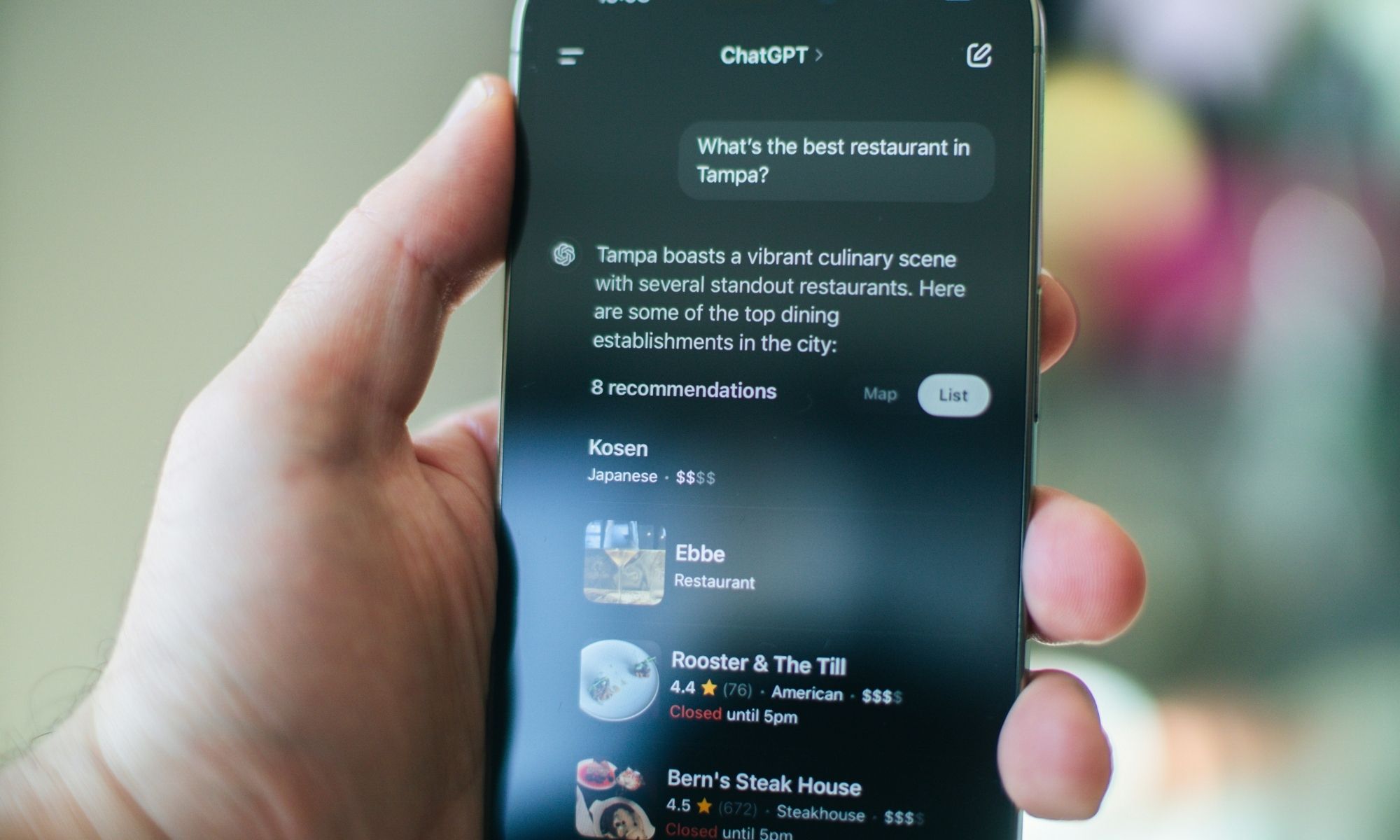
What Is AEO (Answer Engine Optimization) and How Businesses Get Chosen by AI
What Answer Engine Optimization means, how AI tools decide which sites to quote, and the changes that make your content easier to reuse.
Tash · August 19, 2026
 AI & Tools
Best AI Writing Tools Tested and Ranked in 2026
We tested the top AI writing tools for clinic owners. Here's an honest breakdown of each one, what they cost, and what we use.
Tyler · April 10, 2026
Run Your Own Clinic Marketing
Cliniverse gives you the ads, posts, courses, and AI to grow your clinic, with experts on call. You own everything you build.