
What Is AEO (Answer Engine Optimization) and How Businesses Get Chosen by AI
AEO stands for Answer Engine Optimization. It's the practice of structuring your website so AI tools can pull a clear answer out of it and repeat that answer with confidence.
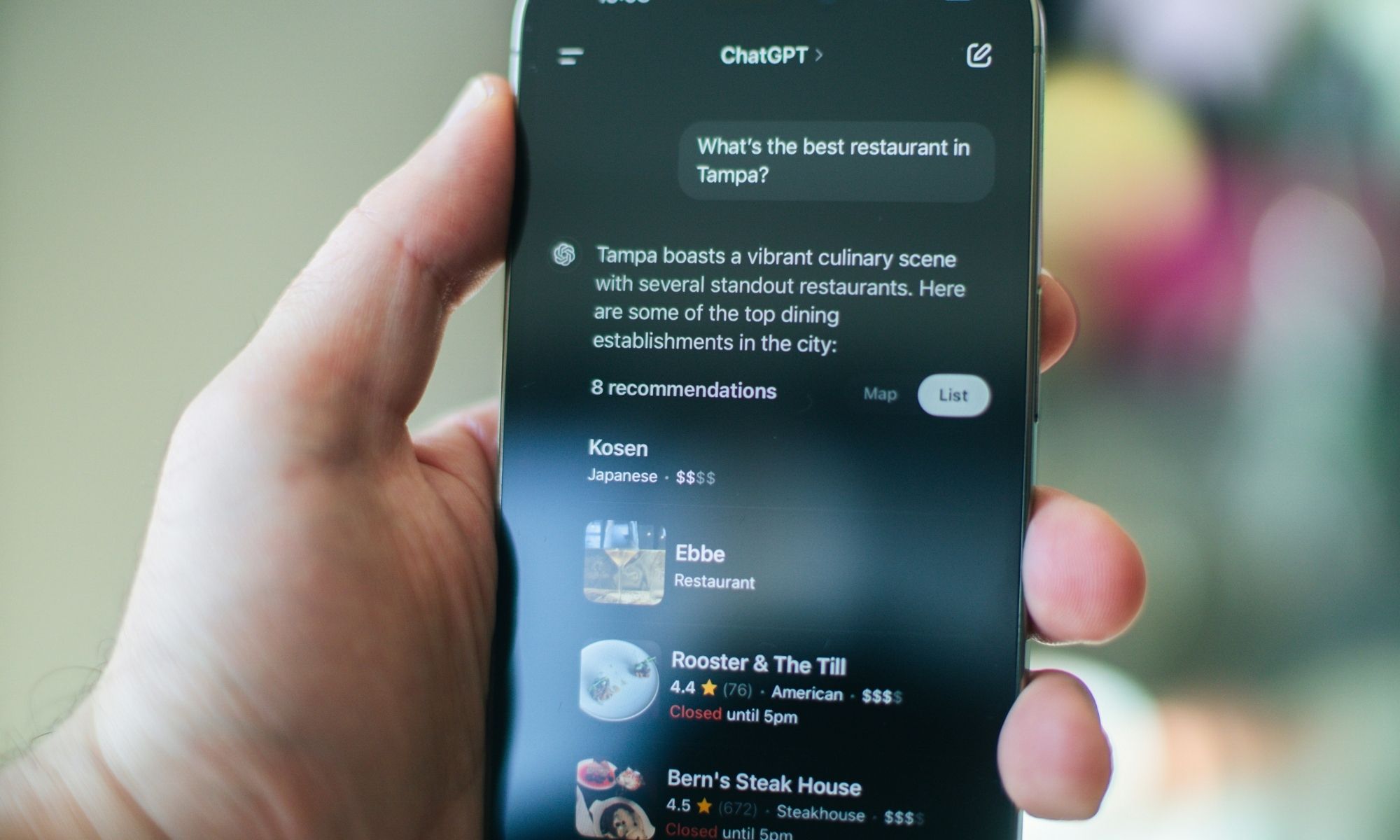
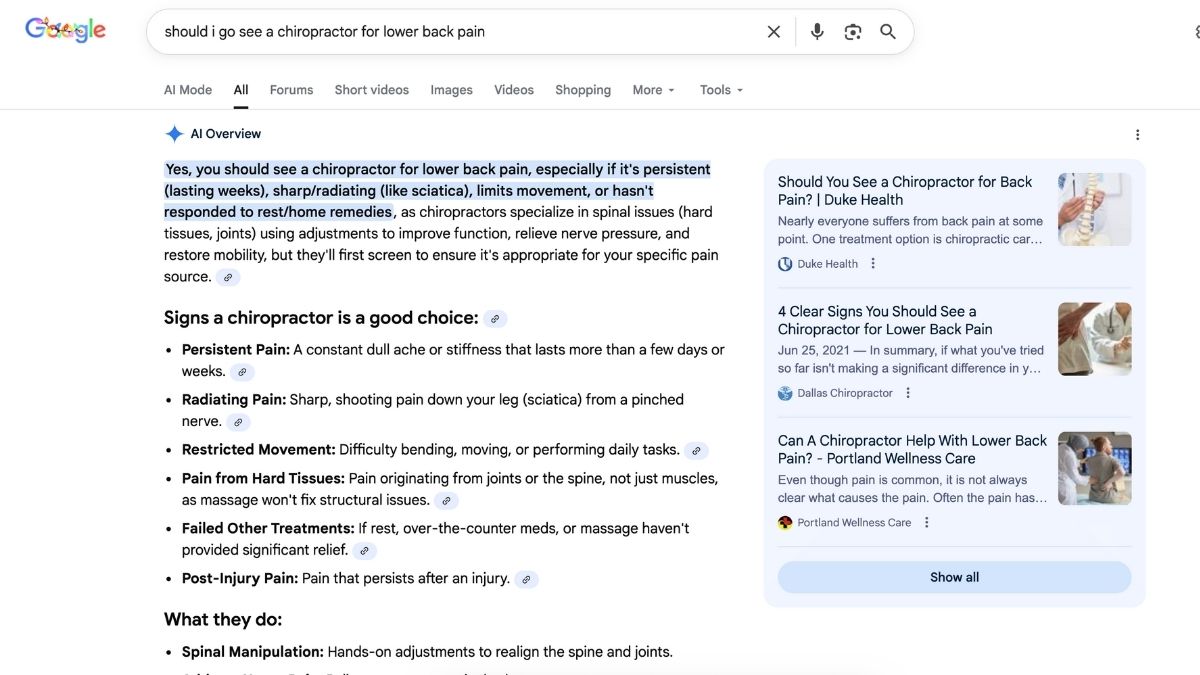
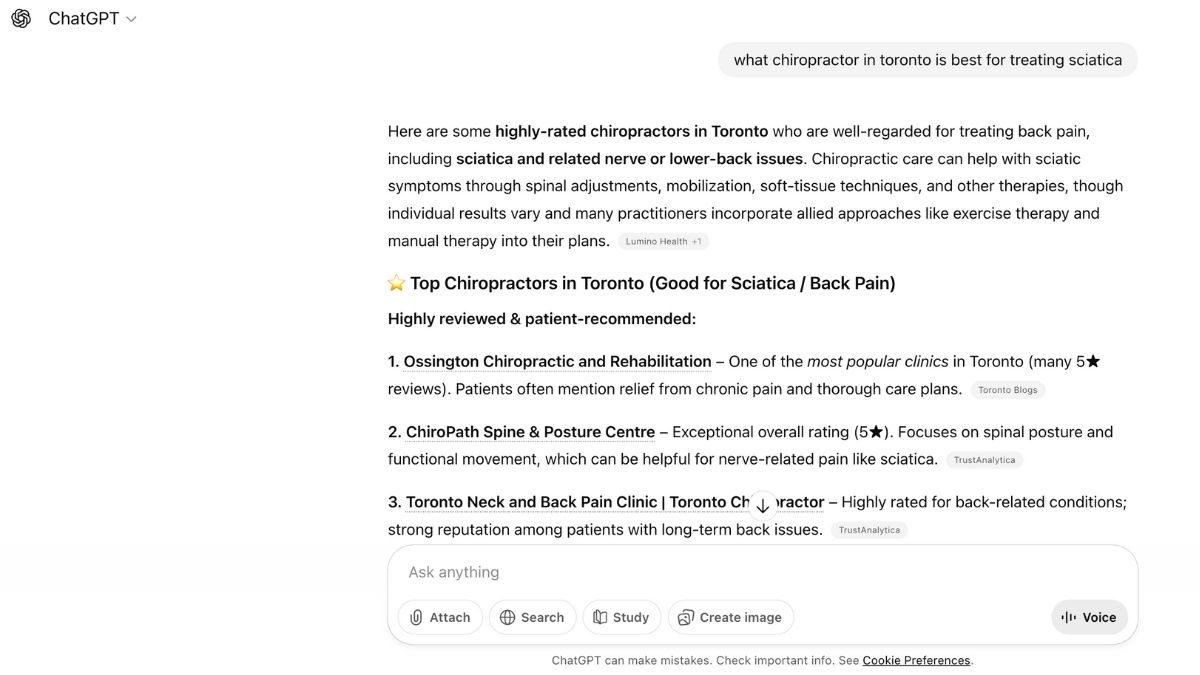
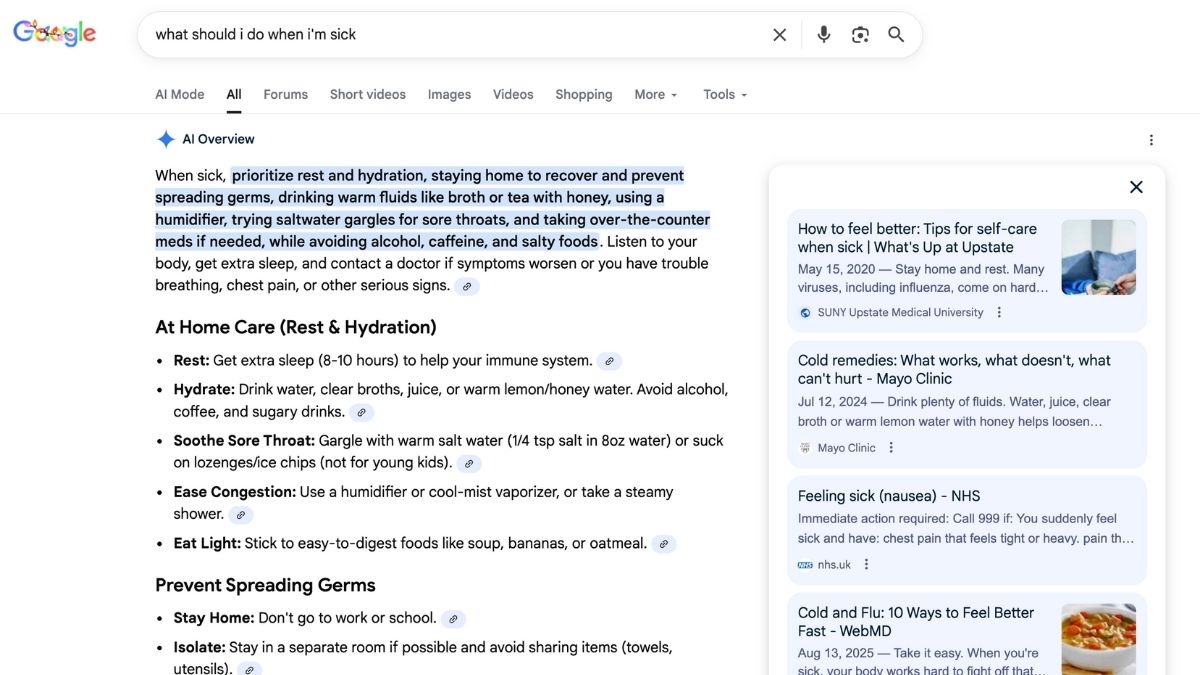
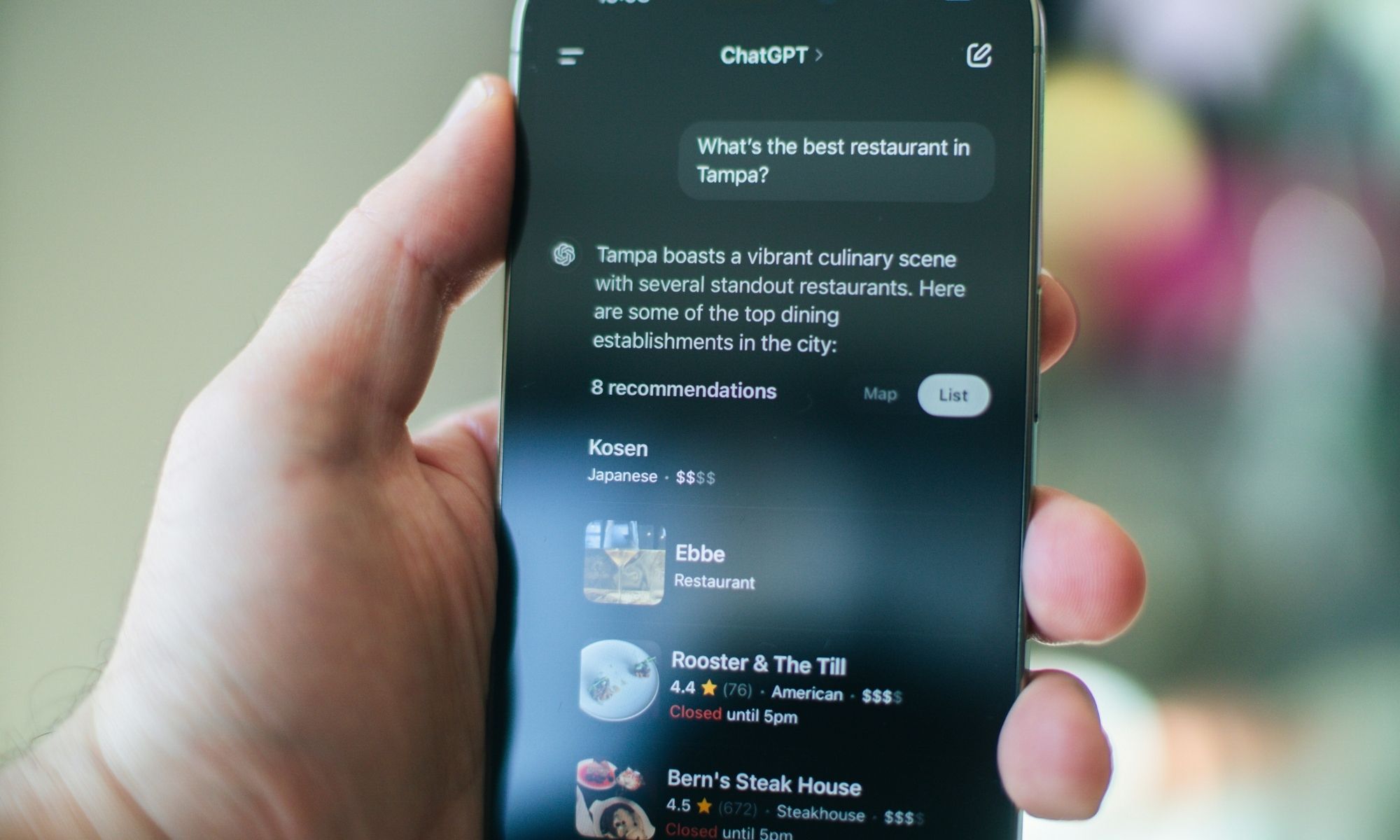
Search behaviour has shifted. People used to scan ten blue links and decide who looked credible. Now a lot of them ask a question and read whatever comes back. ChatGPT, Perplexity, and Google's AI Overviews all sit between your website and the person looking for it, and each one picks a handful of sources to quote.
The traffic cost of that is measurable. Pew Research tracked 68,879 real Google searches from 900 US adults who shared their browsing data. When an AI summary appeared, people clicked a result 8% of the time. Without one, 15%. Close to half the clicks, gone. And users clicked a link inside the AI summary itself in 1% of visits.
That's the gap AEO fills. Ranking gets you into the pool of pages an AI might read. AEO is what decides whether yours is the one it quotes, and increasingly, being quoted is the visibility you get.
What Is AEO (Answer Engine Optimization)?
Answer Engine Optimization is the practice of structuring your website so AI-driven search tools can identify your content as a clear answer to a specific question.
It isn't about writing more. It's about writing content that stands on its own, so a paragraph pulled out of your page still makes sense without the three paragraphs around it.
When an AI reads your website, it isn't judging whether the writing is clever. It's checking whether the answer is easy to find, specific, and safe to repeat.
If SEO helps your website show up in search results, AEO is what makes your content easy to quote once it's there.
One thing worth knowing before you go further: AEO is a contested acronym. Search it and you'll find American Eagle Outfitters and Authorized Economic Operator, a customs designation, sitting alongside the marketing term. If you're searching for guidance, "answer engine optimization" gets you cleaner results than "AEO."
AEO vs SEO: Why They Are Related but Not the Same
SEO and AEO work together, but they solve different problems.
SEO is about visibility. It helps your website appear when someone types a query.
AEO is about selection. It helps your content get picked when someone asks a question and expects one response.
SEO asks whether a page is relevant enough to rank. AEO asks whether it's clear enough to answer the question.
A site can rank well and still lose here. That usually happens when content was written to pull traffic rather than to answer anything, so there's no clean passage for an AI to lift.
AEO doesn't replace SEO, it builds on it. SEO gets your content indexed, AEO makes it usable.

How AI Chooses Which Websites to Answer From
Three things: clarity, consistency, and credibility.
Clarity means the answer is easy to extract. If your main point sits four paragraphs down, under a long wind-up, it's harder to lift cleanly.
Consistency means your site explains things the same way across pages. If your homepage, your services page, and your blog describe what you do in three different ways, that's three competing versions of you.
Credibility comes from signals that show real people and real organizations vouch for you. Reviews, accreditations, and mentions on sites you don't control carry weight here.
AI tools don't reward complexity, they reward certainty. The less a model has to guess about what you mean, the more comfortable it is quoting you.
The Core AEO System: What You Need to Change on Your Website
Six changes, in the order they're worth doing. Most sites lead with brand language and bury the useful part, so the first one matters most.
Write Direct Answers First
Every important page should answer a question in the first few sentences. Not a teaser, not background, not a story. The answer.
If the page explains a concept, define it in the opening paragraph. If it helps someone decide, open with what they need to know.
You can expand and add nuance after that. The answer has to come first, because it's the part that gets quoted.
Use Headings That Match Real Questions
Write headings that mirror the questions people ask, not internal marketing labels.
"Pricing and Packages" tells a model almost nothing. "How Much Does a Physiotherapy Session Cost?" tells it exactly which query this section answers.
Build Clear Answer Blocks and FAQs
An answer block is a short section that fully answers one question without leaning on the paragraphs around it. Each one should be complete, specific, and about a single idea.
FAQs work well because they match how people ask and how AI tools structure replies. Each pair should make sense read in isolation.
Answering the same question five different ways across five pages works against you. One question, one clear answer, one place.
Use Schema Markup, but Know What It Does
Schema markup tells search engines what your content represents, not only what it says. FAQ schema, article schema, and organization schema help classify your information correctly.
Schema is oversold, though. Google's guidance says no special structured data is required for AI Overviews or AI Mode. And when Ahrefs tracked 1,885 pages that added JSON-LD schema between August 2025 and March 2026 against a control group, citations barely moved: ChatGPT +2.2%, Google AI Mode +2.4%, and AI Overviews fell 4.6%.
Pages with schema are cited more often. Across 6 million URLs, Ahrefs found cited pages were nearly three times more likely to carry JSON-LD. That reflects which sites bother with schema, not schema doing the work.
Add it for rich results, knowledge panels, and entity recognition. Don't expect it to get you quoted on its own.
Strengthen Trust Signals Across Your Website
AI weighs trust much the way people do, at speed and at scale. Your website should make it easy to find:
- Awards and certifications
- Professional accreditations
- Google reviews
- Reviews on other established platforms
- Clear business information and contact details
If trust is hard to establish, a model has an easy alternative: quote someone else.
Reinforce Clear Entity and Local Signals
AI needs context to recommend you accurately. Your website should be unambiguous about who you help, what you do, and where you operate.
This isn't keyword repetition, it's removing ambiguity. When a model can pin down your role, your services, and your location, it can include you in answers without hedging.
How to Measure AEO Performance Without Overcomplicating It
There's no single AEO metric, and that trips people up.
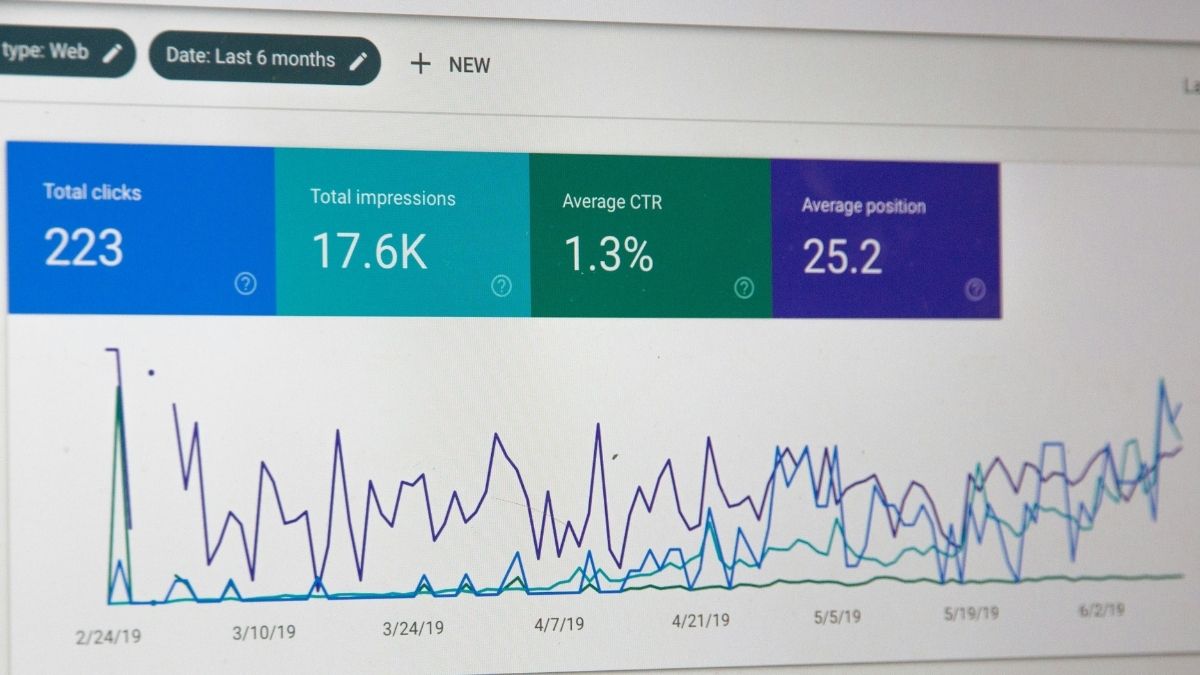
Set the expectation first: being cited is not the same as being visited. In the Pew data, only 1% of visits to a page with an AI summary produced a click on a source link. Getting quoted mostly buys you the mention, not the session. If you measure this purely in sessions, it will look like failure.
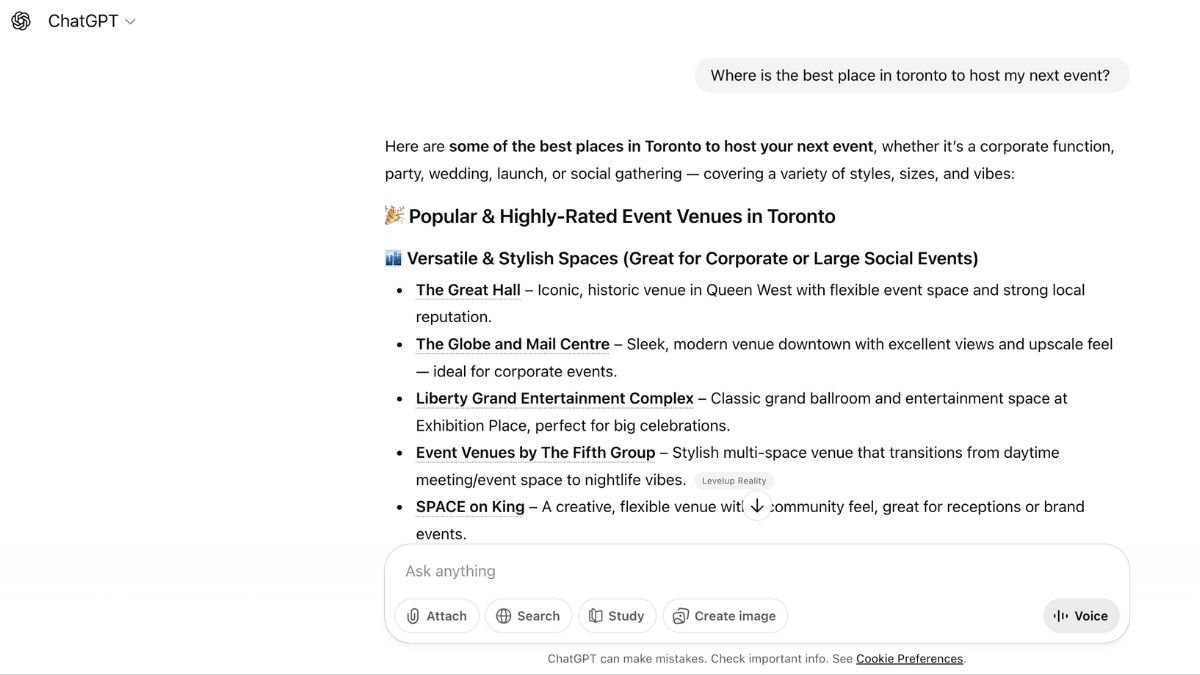
What you can watch: visibility in "People also ask", branded searches, the quality of the traffic you do get, and whether your business turns up when you ask ChatGPT or Perplexity a question your customers would ask. That last one takes two minutes and tells you more than most dashboards.
It's also slow. AEO compounds as your site gets clearer and better referenced, and none of it happens in a week.
The goal isn't more traffic. It's being the source that gets used.
Frequently Asked Questions
How do I start with AEO?
Start with the questions people ask before they buy, not with keywords. People search in full sentences when they're using AI tools, so your website needs to answer those sentences directly.
Give each important question one dedicated answer on your site, easy to find and complete on its own. If your website can't answer a basic question quickly, an AI tool won't work to dig it out.
Which is more important, AEO or SEO?
Neither replaces the other. SEO helps people find your website, AEO helps AI decide whether your content is worth quoting. You want both.
How do I optimize for AI answers?
Answer questions directly, use headings that match real searches, and describe your business the same way everywhere. Reviews and clear contact details help a model trust what it finds. Schema markup is worth adding for other reasons, but the evidence that it earns AI citations on its own is weak.
Length doesn't help here. Clarity does.
What is an example of AEO vs SEO?
SEO decides whether a page ranks for "best restaurants near me". AEO decides whether an AI can confidently name a specific restaurant from that page, based on its information, reviews, and location signals.
The difference isn't traffic. It's whether your content gets used.
Can AEO help local businesses?
Yes, and arguably more than it helps national brands. When someone asks an AI tool for a recommendation nearby, it leans on location signals, reviews, and consistency. A business that's clear about what it does and where it operates is much easier to recommend than one that isn't.
Does AEO mean something else?
Outside marketing, yes. AEO is also American Eagle Outfitters' stock ticker and the abbreviation for Authorized Economic Operator in international trade. In a marketing context it means Answer Engine Optimization.
Why Most Websites Struggle With AEO
The answer is buried, the explanation runs long, there's no structure to speak of, there's little proof, and nothing has been updated in two years.
None of that is a writing-quality problem. A page can be well written and still be hard to quote.
AEO, GEO, and SEO: How They Fit Together
You've probably also seen GEO, which stands for Generative Engine Optimization. AEO and GEO get used interchangeably, though there's a distinction worth knowing.
SEO helps you get found. AEO helps your content get selected as a direct answer. GEO is the wider framework covering how your whole online presence, not only your website, gets cited by AI platforms like ChatGPT, Perplexity, and Google AI.
The short version: AEO sits inside GEO.

Final Takeaway: AEO Is the Execution Layer of Modern Search
SEO helps your website get discovered. AEO decides whether your content gets used.
As more searches end in an AI-generated answer, clarity turns into an advantage. The businesses that do well are the ones whose websites answer questions better than the alternatives a model could quote instead.
If you want the higher-level view of how AI search works, our guide on ranking in AI search engines covers it. If you want to know what to change on your website so AI picks you, that's AEO.
This is how you stop being visible and start being selected. If you want to keep up with where this is heading, join the Cliniverse Community.
Related Articles
 AI & Tools
What Is GEO (Generative Engine Optimization) and Why It Matters for Your Business
GEO is how your business gets cited by ChatGPT Google, and other AI's. Learn what generative engine optimization is, how it works & what to do.
Tyler · April 2, 2026
 AI & Tools
How to Rank on AI Search Engines in 2026 (ChatGPT, Perplexity, Gemini, SearchGPT)
Learn how AI search engines rank businesses today. We explain AI Search SEO, trust signals, entity strength & the steps to show up in AI answers.
Tyler · November 29, 2025
 AI & Tools
Does Google Penalize AI Content? What Claude's New Watermark Means for Your Clinic
Anthropic now watermarks Claude's AI text, but Google does not penalize content for being made with AI. Here is what the change means for your clinic.
Tash · August 23, 2026
Run Your Own Clinic Marketing
Cliniverse gives you the ads, posts, courses, and AI to grow your clinic, with experts on call. You own everything you build.