
How to Market a Physiotherapy Clinic (What to Prioritize First)
Marketing a physiotherapy clinic (or a physical therapy practice, same playbook) isn't one big move. It's a handful of pieces that each do a different job: helping local patients find you, getting the people who find you to book, staying on their radar, and turning happy patients into people who send their friends.
There's no single correct order to do all of this, but there is a smart way to prioritize. Start with the free, fast things that bring in local patients now (your Google Business Profile and reviews), make sure your website turns that attention into booked appointments, then add the things that build up over time: content, social media, ads, and word-of-mouth.
You don't have to do it all at once, and you don't have to do it in a strict order. Here's what we'd tackle first, roughly in order of what pays off fastest, and why each one matters.
Start With Your Google Business Profile
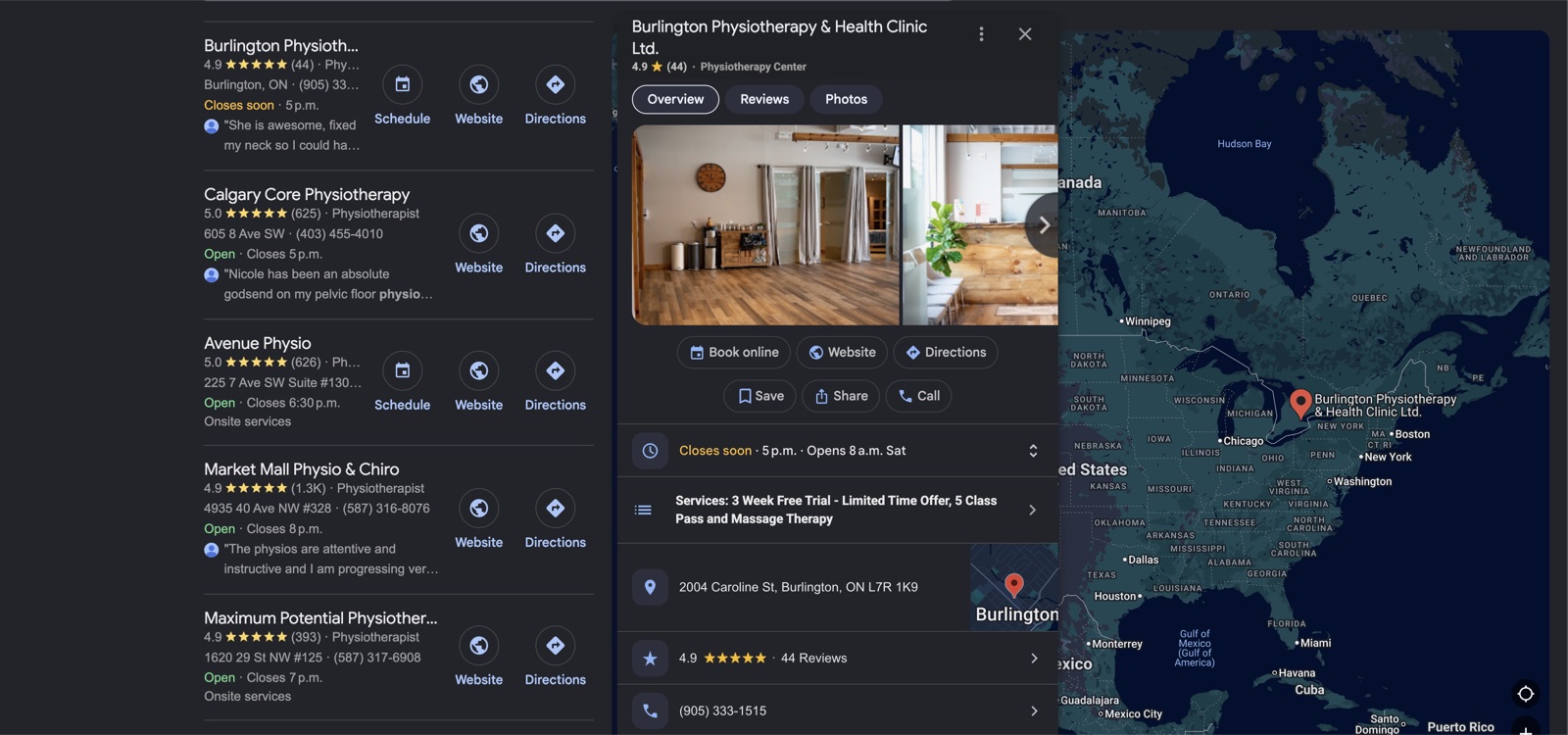
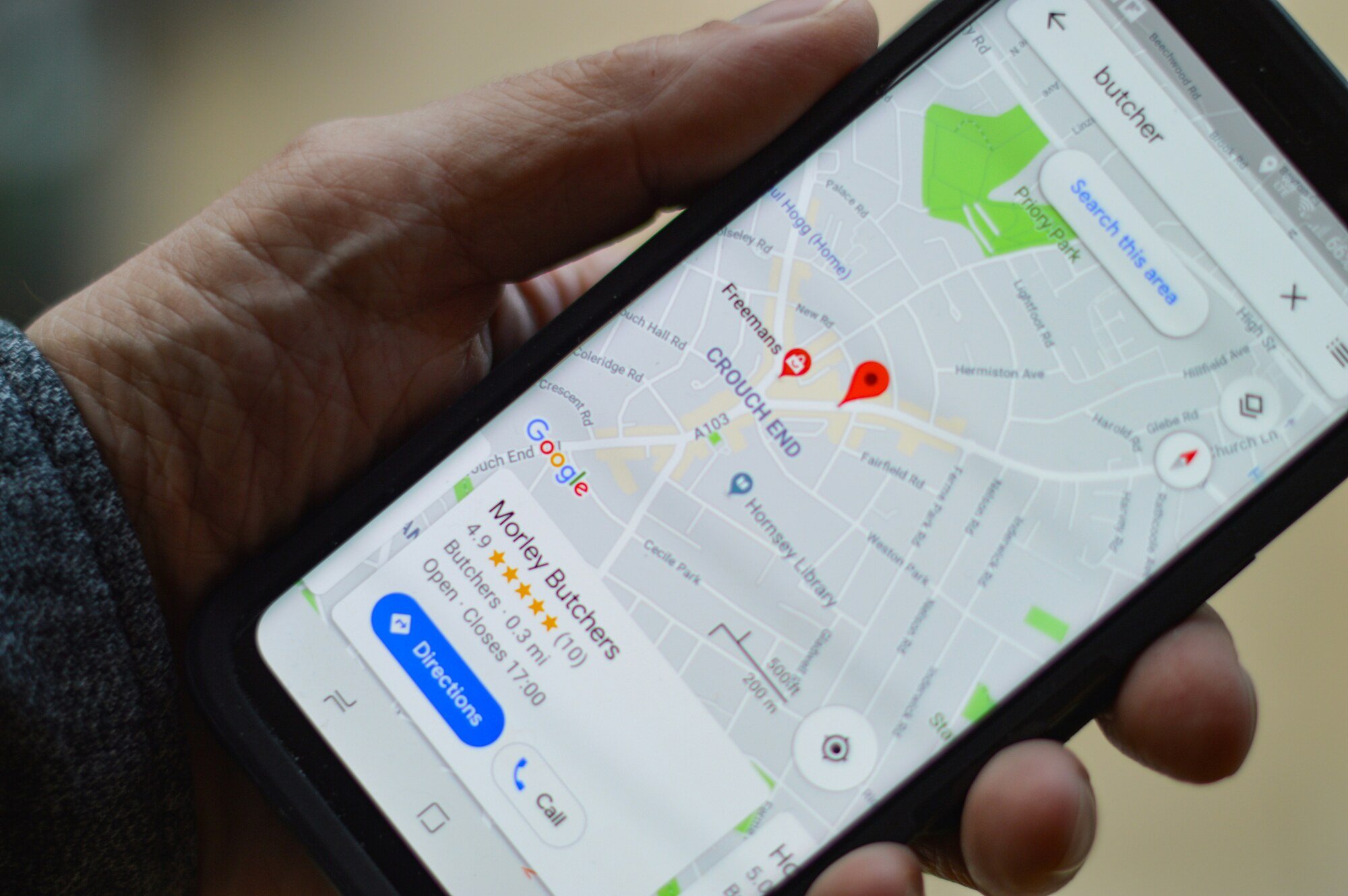
For a local clinic, this is often the single most valuable thing you can do, and it's free. Your Google Business Profile is what shows up in the little map with the pins, and in the panel on the right side of search, when someone looks for a physio near them. It regularly shows up above your own website in local searches.
Claim it, fill it out completely, pick the right categories, add photos of your space and team, keep your hours accurate, and post to it regularly. A complete, active profile beats a neglected one every time. Here's the deeper walkthrough on ranking your clinic higher with Google Business Profile.
Get More Patient Reviews
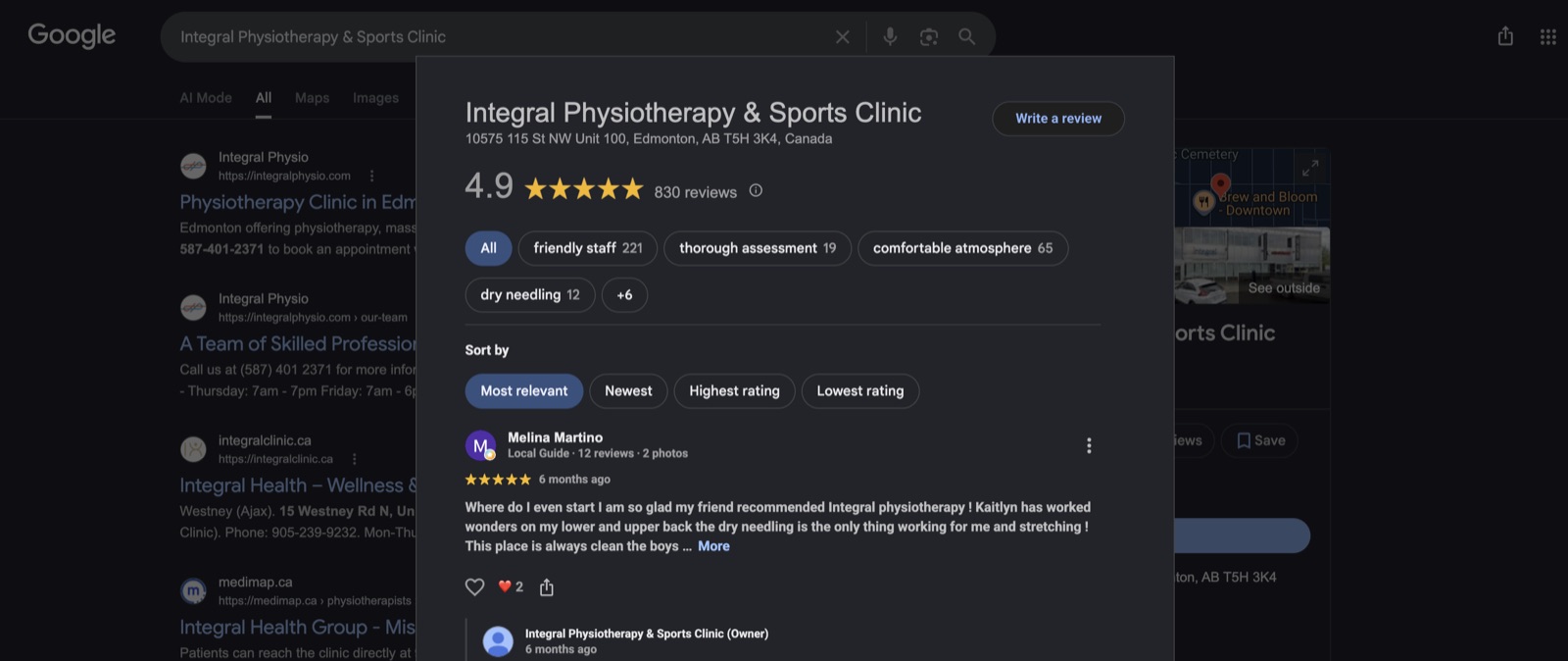
Reviews sit right next to your Google Business Profile in importance. They're one of the biggest things Google looks at when deciding which local clinics to show first, and they're one of the biggest things a new patient looks at when deciding between you and the clinic down the road.
Build a simple habit of asking every patient, and make leaving a review effortless (a direct link, a QR code at the front desk). Do it within the rules, though: Google now bans review gating and several other practices, so ask everyone, not only the ones you know are happy. And keep it to asking, not paying, incentivizing reviews (or anything that could push unnecessary treatment) runs into both Google's rules and your college's. Here's the truth about how reviews affect SEO and AI.
Make Sure Your Website Turns Visitors Into Patients
Your Google Business Profile and ads get people looking. Your website is where they decide whether to book. If it's slow, thin, or stuck on a platform you can't fully control, you're paying to send people to a page that loses them.
Pick a Platform You Own, Not One You Rent
We recommend building on WordPress. Not because it's trendy, but because it doesn't box you in. You can build your site out as much as you want and change anything you like without asking the platform for permission, including the behind-the-scenes details that help you show up in search. Pair it with a page builder and it stays friendly to edit. There's a bit of a learning curve, and it isn't quite the point-and-drag simplicity of the closed platforms, but what you get in return is freedom.
Squarespace, Wix, and the website builders built into booking tools like Jane are genuinely easy to use, and they'll get you online fast. That's their strength. The catch shows up later: you can only do what the platform lets you do. You can add pages, but you have far less control over the behind-the-scenes details that decide whether Google shows your pages to people searching, and you can't restructure things freely as you grow. At some point you outgrow the tool, and it doesn't make leaving easy.
(If building and maintaining this yourself sounds like a lot, a done-for-you clinic website that stays found on Google and AI search closes that gap.)
Build for Mobile
Your patients are visiting on their phones. That's the way traffic has been moving for years, and for a local clinic the mobile share tends to run even higher than the web-wide numbers. A site that looks great on desktop and cramped on a phone is failing the visitors who matter. Always build mobile-first.
Build a Page for Each Condition You Treat
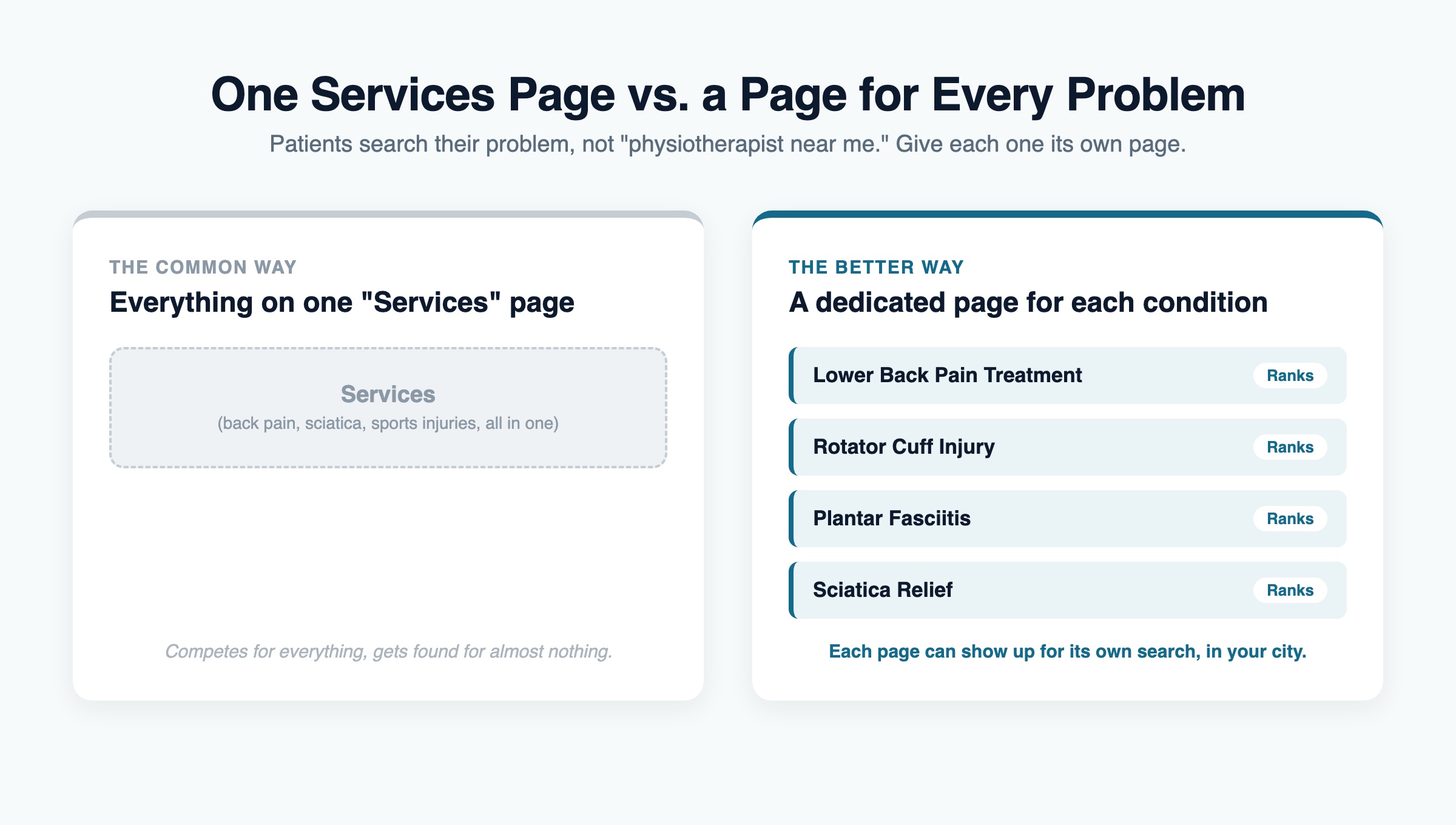
Here's an underused move: people rarely search "physiotherapist near me." They search their problem. "Lower back pain treatment," "rotator cuff injury," "plantar fasciitis," plus their city. If you have one page that lists all your services, you're invisible for those searches. If you have a dedicated page for each condition you treat and each service you offer, you have a page that can rank for each of those searches in your area.
We've watched this work directly with clinics we support. Build out the condition pages, and you start ranking for that condition in that city, which is exactly what a patient in pain is searching.
One compliance note, because it's your license on the line: describe your care honestly. In Ontario and most provinces, physiotherapists can't make claims of superiority or comparison ("best physio in the city," "better than the clinic down the road"). You can talk about the quality of care you provide, so long as you keep it about your practice, not ranked against others. It's a real rule, and getting it right also happens to make your copy more believable.
Get the Basics Right on Each Page
A few behind-the-scenes details help Google understand your pages and show them to the right people: headings that use the words patients type (like the condition and your city), an accurate page title and short summary for each page, and a bit of code that spells out your services, location, and reviews so Google and AI tools can read them cleanly. None of this is glamorous. All of it adds up over time.
Claim Your Listings and Keep Your Details Consistent
Get your clinic listed, with the exact same details, across Google, Bing, Apple Business (here's what Apple's local push means), and directories like Yelp and the Better Business Bureau. Two wins here: matching details tell Google and the others that you're a real, established business, and a lot of these listings give you a link back to your site, which also helps you show up in search. Same name, same address, same phone, everywhere. Mismatches can quietly work against you.
While you're at it, take the one-time step of telling Google and Bing your website exists and handing them a list of your pages (Google Search Console and Bing Webmaster Tools do this, both free). It makes sure they can find every page you build.
Build Trust Signals (Google and AI Both Weight Them)
Anything that signals you're a credible, established clinic helps you twice: it reassures patients, and it's exactly what Google's local systems and AI assistants look for when deciding who to recommend.
Join your local chamber of commerce (a few hundred dollars, and you get a link to your site from a trusted local website). Get listed with your professional associations. If a local paper or blog features you, that's gold. Awards, memberships, "featured in" mentions, anything that shows other trusted sources vouch for you, adds up. AI tools and search engines are increasingly trying to answer "is this a real, trusted clinic?" These signals are how you answer yes.
Blog to Support the Pages That Book Patients
Blogging pays off best once you have service and condition pages for it to support, which is why it sits here rather than at the top.
It does two jobs. It helps you show up for the questions patients Google before they're ready to book ("how long does a sprained ankle take to heal?"), and it gives you a natural way to link over to your service and condition pages, which makes those pages stronger. A blog post that answers a real question and then points the reader to the matching condition page is doing work. A blog that sits in a corner linking to nothing is a hobby.
Add Social, Even If It Doesn't Book Patients Directly
Social media rarely turns a stranger into a booking on its own. That's not why it matters.
First, it's a trust and preview channel. A patient checking you out gets to see the practitioners, the space, and the vibe before they walk in. That's far more convincing than a page of stock or AI photos and AI-written text. People book clinics they feel they can relate to or trust.
Second, your posts increasingly show up in search. Google surfaces content from Instagram, Facebook, LinkedIn, and YouTube, and AI answers pull from video and social content too. We've seen our own social posts appear in search results for our brand, and you can now check which of yours are showing up in Google Search Console. So if you're answering common patient questions on social, that content can get found well beyond your followers.
Start with Instagram and Facebook. Add LinkedIn if it fits. YouTube is underrated for clinics, because video content gets pulled into both search and AI answers, so a simple "what to expect at your first appointment" video can work for you for years. Here's our fuller take on social media for clinics, including what to stop doing.
Use Ads to Accelerate
Ads are the fast lane. They can bring in patients this week, which is why clinics reach for them. Know what you're buying, though: ads are rented, not owned. The moment you stop paying, the leads stop. Everything above (your Google Business Profile, your pages, your reviews) keeps working for years and builds on itself. Ads don't. That's the rent-versus-own tradeoff between ads and search, and the smart move is to run ads to speed things up, not to lean on them as your only source of patients.
For physiotherapy clinics, we usually see the lowest cost per patient from Meta ads (Facebook and Instagram). The catch: those leads need fast, consistent follow-up. How quickly you follow up is one of the biggest factors there is, a lead you call back in five minutes is worth far more than one you get to the next day. Here's how one physio clinic gets 150+ leads a month with Meta ads, including the follow-up system that makes it work. And if you want the numbers on a first-timer doing it themselves, one clinic owner hit $10 a lead on his very first Meta campaign, no agency involved.
Google ads work too, but the physiotherapy space tends to be more competitive there, so each click and each lead usually costs more. It can still pay off; go in knowing physio is a pricier auction. If you run ads, keep the advertising rules in mind here as well, "free assessment" style offers have specific requirements in most provinces.
Get Recommended in Local Facebook Groups and Reddit
Two free channels people forget: Reddit and local Facebook groups. Plenty of people ask "can anyone recommend a good physio?" in a community group or a local subreddit. Being present and helpful there (not spammy) puts you in the conversation right when someone's looking. It's some of the highest-intent, lowest-cost visibility available.
It All Feeds Word-of-Mouth
Here's the part that ties it together. You'll never beat word-of-mouth. A patient who walks in because a friend swore by you is the cheapest, warmest, stickiest patient you'll ever get. But you don't want to be dependent on it, because you can't control it.
That's the reason everything above matters. Each patient you bring in is a chance to deliver an experience so good they refer the next three. The lead that found you through a condition page or a Meta ad becomes a referral engine, if the in-person experience earns it. Online marketing fills the top, a great experience turns those patients into word-of-mouth, and word-of-mouth makes every marketing dollar worth more, because one lead stops being one patient.
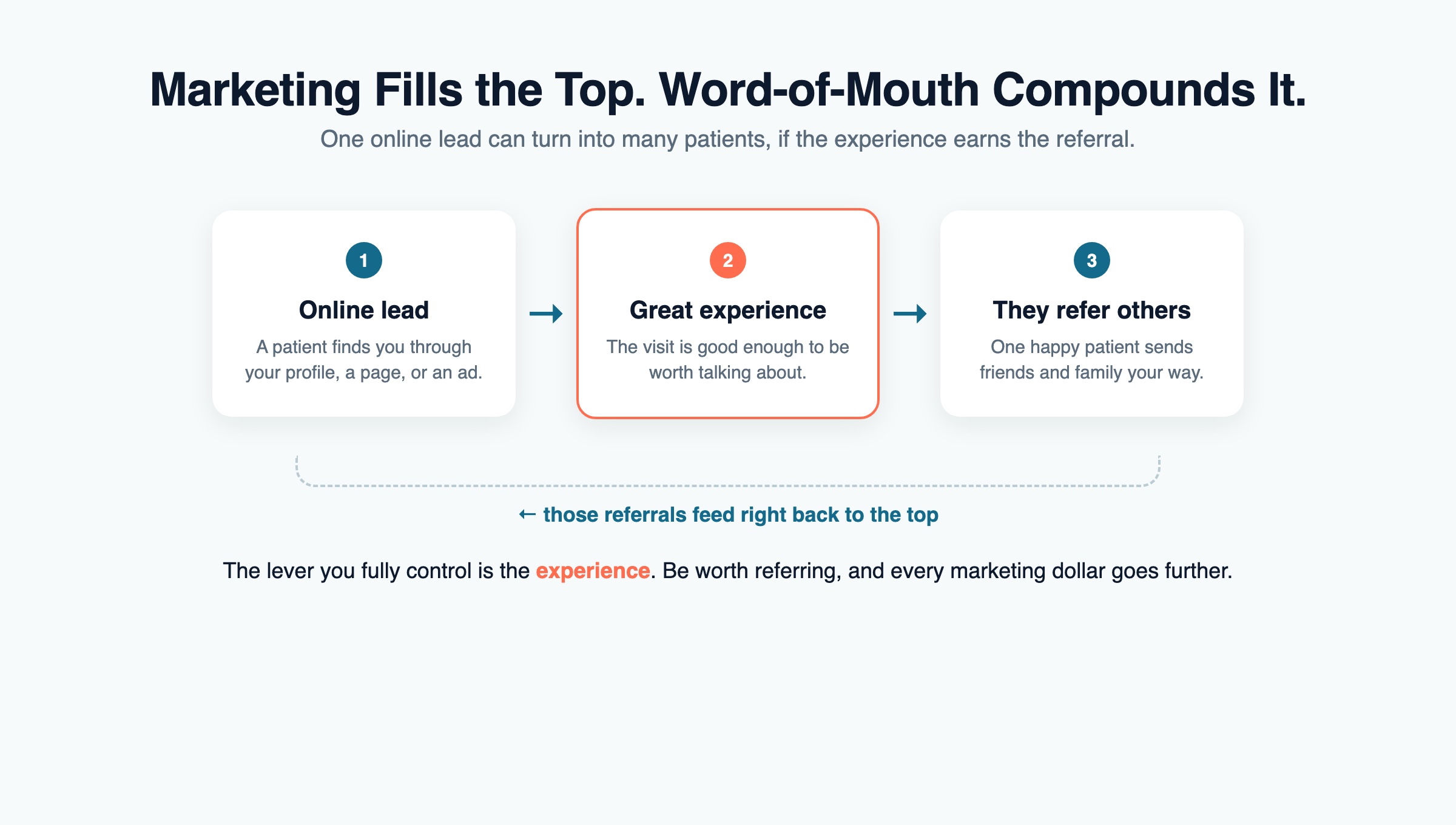
The lever you fully control is the experience. Be worth referring, and the marketing you're paying for multiplies. (Keep it to earning referrals, not paying for them: incentives that could drive unnecessary treatment aren't allowed in physiotherapy.)
Where to Start
If you take nothing else from this: your Google Business Profile and your reviews are the fastest, cheapest way to get local patients, so start there. Make sure your website turns that attention into booked appointments. Then build out the things that compound, content, social, and trust signals, and use ads to speed things up once the foundation is ready. None of it is secret. It's ordinary work done consistently over time.
That's a lot to keep on top of while you're also treating patients. That's the gap Cliniverse is built to close: the tools, templates, and know-how to run all of this yourself, without hiring anyone or guessing at what to do next. We're not here to take it off your plate and charge you for it, we're here to make good marketing accessible and affordable so any clinic can do it well. You get out of it what you put in, and the point is to make putting the work in a lot simpler.
Related Articles
 Get Found Online
How to Help Your Clinic Rank Higher With Google Business Profile in 2026
If patients cannot find your clinic on Google Maps, here's what to check on your Google Business Profile and how to fix it, step by step.
Tash · September 12, 2026
 Get Found Online
Local Business SEO: What Moves the Needle in 2026
Most clinics lose patients to competitors with worse care. Learn the local business SEO ranking factors that determine who Google recommends.
Tyler · March 8, 2026
 Get Found Online
Should You Embed a Google Map on Your Website?
Should you embed a Google map on your clinic website? Yes, on your contact page, and pull it from your Google Business Profile. Here's why and how to do it right.
Tyler · June 21, 2026
Run Your Own Clinic Marketing
Cliniverse gives you the ads, posts, courses, and AI to grow your clinic, with experts on call. You own everything you build.